MNO’s Basic Structure
Regions
Ontario is massive and Métis communities are scattered everywhere. We cannot expect someone in Thunder Bay to fully understand what’s happening in Windsor, so we organize into nine regions that reflect the different experiences across our province.
The MNO has 9 service delivery regions. Which one are you?
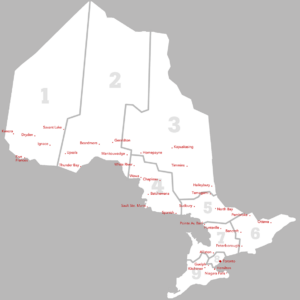
How regions work
Each region groups together Community Councils that share similar geography, challenges, and often cultural connections. Some regions cover vast northern territories with remote communities, while others focus on urban centers or agricultural areas. The regions help ensure that:
- Rural communities aren’t outvoted by urban populations
- Northern challenges get the same attention as southern ones
- Communities with similar issues and history can work together
- Resources and programs can be tailored to local needs
What regional representatives do
Each region elects a regional representative to:
- Carry community priorities to the provincial level
- Bring back resources and information to communities
- Help communities in their region coordinate and share ideas
- Make sure their region’s community-driven initiatives get support
- Represent community voices in provincial coordination
Why this structure matters
Without regions, communities with smaller populations might not get the support they need. This system makes sure that whether you’re in a remote northern community or an urban center, your community’s voice will always carry equal weight in shaping MNO’s direction.
Remember
As a youth representative, understanding regions helps you see how your community connects to others and how you can work together on shared priorities.