Module 2: Medicalization and Reframing Expertise
The Medical Model
Medicine and Healthcare
Medicine and healthcare shape almost every aspect of our lives in the Global North, even when access to formal medical and health care is precarious. For many Ontarians, access to consistent and acceptable health care is insecure.
Given the significance of medicine in shaping our everyday experiences, including our experiences of our bodies and health, it isn’t surprising that disability experience has also been viewed through the lens of medicine.
While later modules in this resource will outline some of the many frameworks or models for understanding disability, the model with the firmest grip on our understanding is the medical model. Essentially, the medical model looks at disability/madness/sickness etc., and says: there is a problem with your body/mind, so we need to fix or change something about your body/mind to fix the problem.
When Medicine Defines Disability

Looking at our bodies, lives, and social organization through the medical lens “came to be accepted as the authoritative account of disability” (Stone, 1987). This means that how we think about disability, how we respond to disabled persons, and how we approach the problems disabled people face—our attitudes, our social policy, our discourse, and even our most well-intentioned behaviours—have at their heart certain ideas about the condition of disability that are so pervasive as to be almost invisible. They are informed by a dominant narrative rooted in the medical model of disability.
The Logic of Cure
Most importantly, these approaches are grounded in an underlying assumption of able-bodied supremacy: the belief that life is better without disability. This normalizes the idea that disability should be erased or corrected, and that individuals are responsible for striving toward socially defined standards of “normal.”
When this explanation of disability dominates, it becomes difficult to imagine other ways of understanding disability, including those grounded in disabled people’s own knowledge and experience (Withers, 2012; Pfeiffer, 2002). Under the medical model, medical professionals are positioned as the primary on disability and its treatment, while is often treated as secondary or insufficient.
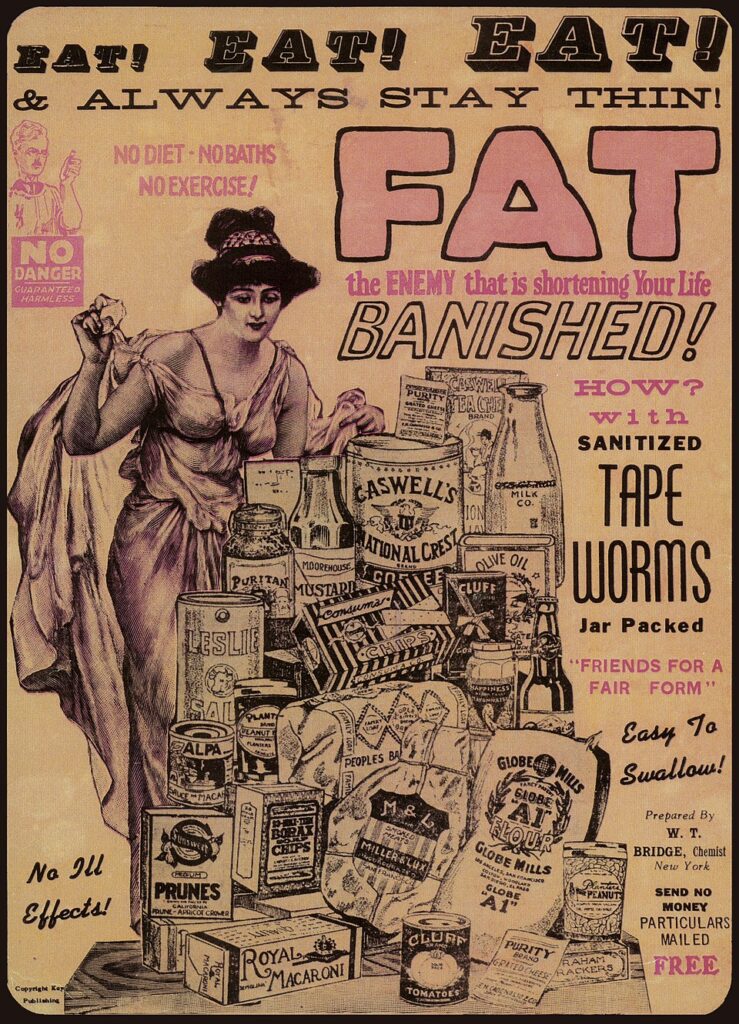
The medical model is a “find it and fix it approach to disability” (Elliott & Dreer, 2014, p. 80). It assumes an ideal body and mind that meets standards of functioning, regulation, capacity, acuity, comportment, reason, and so forth. The that deviate from these standards are understood by the medical model as abnormal, “disabled,” and need to be addressed by medical intervention.
A significant concern with the medical model is that it operates from what Kafer (2013) refers to as a curative imaginary: “an understanding of disability that not only expects and assumes intervention but also cannot imagine or comprehend anything other than intervention” (p. 27). Under this logic, everything that falls outside of what is considered normal or is viewed as pathological or tragic problems that require intervention by medical experts. Chadha and Rogers (2023) note that “the touchstone of the medical model is that by deploying medical intervention, physiological or psychological irregularities can be corrected and cured or, in the worst case, contained and controlled through ” (p. 237). Because disability is framed as a problem that exists within individual bodies and/or minds rather than as a category, responsibility for ‘solving’ disability is likewise placed on individuals.
The social and institutional power granted to medical professionals, knowledge, and systems to define health, illness, disability, and appropriate responses to them.
Knowledge rooted in people's own direct experiences of their body, health, and the world.
A way of describing the human body and mind as a single, inseparable unit. This approach rejects the traditional Western dualism between body and mind.
Societal standards or ideals of what is considered "normal," particularly in relation to bodies and minds, often used in contrast to "disabled" bodies.
The process of confining disabled people to institutions, often as a result of medicalized views of disability.
When something is made real because humans agree that it is real. For example, the value of money is a social construct. Money has no inherent value (e.g. it can't be eaten), but it has value in our society due to human consensus.