Module 2: Medicalization and Reframing Expertise
More to Explore: Case Studies in the Legacies of Medicalization
The resources below are provided as optional case studies for readers who would like to engage more deeply with the themes of this chapter. These examples show how medicalization has shaped social policy, citizenship, and systems of care across different historical and political contexts. Rather than offering a comprehensive account, they invite reflection on the ongoing legacies of medical authority beyond healthcare settings. You might want to return to these case studies after you finish Module 3.
Medicalization and Canadian Immigration Policy
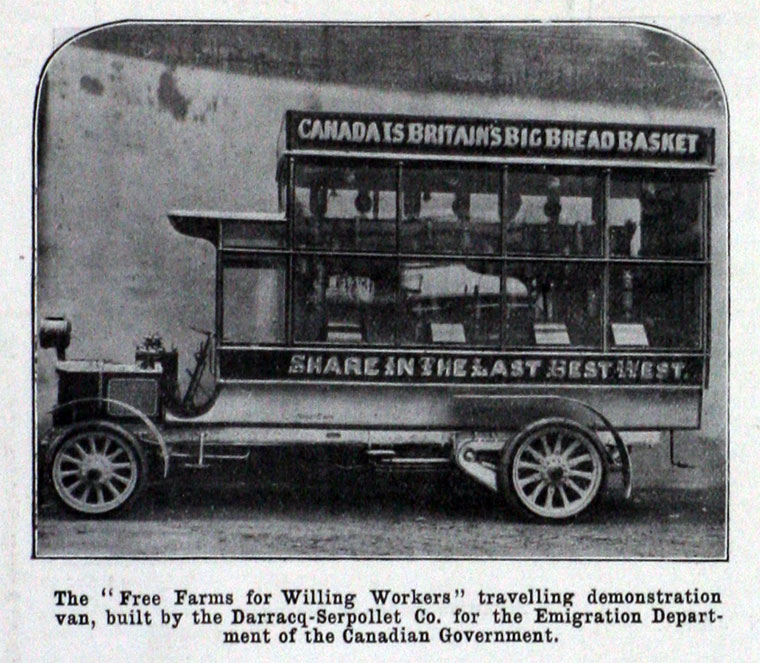
One example of how medicine infiltrates many areas of life is Canadian immigration policy. Already critiqued for institutionalizing racism and classism (see, for example, Abu-Laban et al., 2022), Canadian immigration policy screens applicants based on their medical status. Potential migrants to Canada are required to undergo a medical examination to secure a visa. As a result of this process, applicants may be refused entry on the basis that they pose an “excessive demand.” Disabled, , and chronically ill applicants are frequently deemed to place excessive demand on health care resources or to pose a potential public health risk (Immigration, Refugees and Citizenship Canada, 2024). Notably, this also impacts families with disabled children.
Access the following resources to read more:
- Mother fears Canadian government could force her family to leave due to son’s disability
- Medical inadmissibility – Canada.ca
This interaction of medicine and government priorities constructs disabled people not as citizens or members of the public, but as a drain on Canada’s health care system and a potential danger to others.
Similarly, consider how medicine shapes common meanings of gender, childhood, aging, and body size. More immediately, think about how medicine influences our understandings of capacity — the ability to meet deadlines, stay focused, and be compliant.
Medicalization and De-medicalization: Homosexuality and the DSM

Media Moment
Time: 47 minutes, 48 seconds
Access the following podcast or transcript for an example of medicalization and de-medicalization:
This case study focuses on the consequences of homosexuality’s inclusion in the Diagnostic and Statistical Manual of Mental Disorders (DSM), a compendium of psychiatric and mental health conditions, and its eventual removal in 1973. This is part of a podcast series examining 2SLGBTQI from the early part of the 20th century onwards called “Making Gay History,” narrated by historian Eric Marcus.
Medicalization, Colonialism, and Indigenous Health

Media Moment
Time: 13 minutes, 5 seconds
This case study examines how medicine has been used as a tool of settler colonialism, shaping Indigenous health through policies, institutions, and educational systems. This shorter YouTube video features Dr. Alika LaFontaine (Métis, Anishinaabe, Cree, and Pacific Islander), the 2022 president of the Canadian Medical Association. The interview, in observance of National Truth and Reconciliation Day, explores the continuing legacy of colonization on Indigenous health.
Watch the following video here, access it at the link below, or the transcript.
INTERVIEW: Canadian health care and Truth and Reconciliation
Take note of the different ways the Canadian settler colonial state used medicine to meet the aims of white nation-building. How did the impacts of Eurocentrism on Dr. LaFontaine as a school child become medicalized?
Medicalization, Slavery, and the Racialization of Care
Media Moment
Time: 8 minutes, 49 seconds
This case study explores how medical beliefs developed during slavery continue to shape contemporary healthcare practices, particularly in the treatment of Black women. Watch the following video here, access it at the link below, or the transcript.
The US medical system is still haunted by slavery
After watching the video or reading the transcript, reflect on the following questions:

- What do you notice about how Black women are treated both historically and currently by healthcare/research? Pay special attention to the disparate experiences of Black women.
- What is the function of the medical belief that Black people experience less pain?
- What evidence of this myth and others mentioned in the video can still be seen in contemporary healthcare and beyond?
A complex process that involves the growing influence of psychiatry on society, often leads to attributing psychiatric meaning to social and psychological phenomena.