Part 2 – Agency and Social Mobilization: Anti-Racism and Food Sovereignty
Chapter 7 – Food Systems and Food Sovereignty of Traditional Peoples of the African Matrix in Brazil: Critical Reflections
Juliana Kitanji Goulart Nogueira*, Regina Barros Goulart Nogueira (Kota Mulanji), Maria Aparecida da Silva Lessa (Olamide Lessa), Edson Augusto Nogueira (Tata Ngangadile), & Manoel Domingues (Babalorixa Odessi)
*Corresponding author: Kitanjimona@gmail.com
-
Introduction
Throughout Brazil’s history, structural racism has separated Black knowledge, bodies, and ways of life from social and political legitimacy. Crossing this “abyssal line” (Santos, 2007) is both an individual and a collective journey. For a long time, this abyssal line led the Black population to question their own Blackness, to deny their ancestry, to avoid identifying themselves with a collective identity, and to break from the historical trajectory preceding enslavement. This line persists. However, with the courage of our ancestors, we can cross this line and reclaim the knowledge and practices from the “other side,” such as the food traditions inherited from African peoples in the diaspora. By doing so, we begin to reconstruct our subjectivities.
This chapter summarizes findings from the research project “Public Health and Traditional Peoples of African Matrix for the Promotion of Food and Nutrition Security” (OBHA, 2024). The project was a collaborative process carried out between 2019 and 2022 by the Oswaldo Cruz Foundation (FIOCRUZ), and the national, state, and municipal executive coordination of the National Forum for Food and Nutritional Security of Peoples of African Matrix (FONSANPOTMA) (Egger & Silva, 2022). The chapter presents results from the three research fronts of the project, analyzed critically by FONSANPOTMA:
Traditional Peoples of African Matrix: Food Sovereignty and Nutritional Security in Interface with Public Health — a research front that conducted a participatory diagnosis and mapped the Food and Nutrition System of Traditional Peoples of African Matrix (SISANPOTMA), identifying challenges and the potential for ensuring food sovereignty. The main objective of the first research front in the project was to conduct a participatory assessment to characterize the food systems of the Peoples of African Matrix – POTMA (Matos et al., 2023). Palm (2021) asserted that food sovereignty considers “the right of peoples to define their own policies, sustainable strategies for food production, distribution, and consumption, ensuring access to food for the entire population based on small- and medium-scale production” (Via Campesina, cited by Palm, 2021). Food sovereignty must respect cultural diversity, different production methods and management structures, with women playing a fundamental role. The research in this front was conducted after an in-depth exploration of ancestral wisdom that emphasized the integration of food, nature, and culture and offered solutions to contemporary challenges, as a counterpoint to the current hegemonic food system, which favours the food industry and agribusiness (Egger & Silva, 2022).
Traditional Peoples of African Matrix and the Conflict Map of Environmental Injustice and Health in Brazil — a research front that highlighted the connections between territorial rights violations and the impacts on food systems and community health (Rocha et al., 2023). It aimed at deepening the theoretical, conceptual, and methodological frameworks surrounding territorial struggles, health, and food sovereignty of the POTMA. The initiative was part of the “Map of Conflicts Involving Environmental Injustice and Health in Brazil” (Porto et al., 2013), an instrument coordinated by FIOCRUZ in partnership with various civil society organizations.
The Map systematized reports from populations affected by situations of environmental injustice across the country, giving visibility to conflicts related to pesticide contamination, the expropriation of traditional territories, and threats to the health and lives of entire communities. It contributes to expanding the understanding of how environmental racism, unequal access to public policies, and the violation of territorial rights directly impact the ways of life, food systems, and health of traditional peoples, including those of African matrix.
Mouth that Eats Everything – Food from Diverse Worlds: A Dialogue between Traditional People of African Matrix and Public Health — a documentary research front that aimed to raise awareness and give visibility to ancestral and spiritual food practices, reaffirming the role of collectivity, oral traditions, and ancestry. The collective construction of the documentary, developed by the research group “Food of Diverse Worlds: A Dialogue between Traditional African-Matrix Peoples and Collective Health” (Fasanello et al., 2023), represents a milestone in FONSANPOTMA’s efforts to systematize and characterize SISANPOTMA. This initiative aimed to dispel the misconception that SISANPOTMA is solely a religious expression connected to diaspora-based practices. The initiative acknowledges and gives visibility to the way of life and organization of the original peoples of the African continent.
These research fronts enabled access to narratives and experiences that reveal the depth of ancestral food practices. They complement each other, addressing distinct methodologies, but all seeking to uncover collective health and food sovereignty for Traditional Peoples of African Matrix[1] (Povos Tradicionais de Matrix Africana – POTMA). Additionally, the research teams included traditional authorities and leaders, and their theoretical frameworks were based on POTMA knowledge systems. Their methodologies respect oral tradition as a legitimate form of knowledge construction and recognize the centrality of ancestry in the POTMA way of life.
This chapter describes the main background considerations for the project (section 2), the research methodology adopted (section 3), and key findings and reflections derived from the three research fronts (section 4). The chapter’s conclusion includes reflections on the future of research, emphasizing the need for Brazilian institutional recognition of SISANPOTMA, its integration into public policies, and the strengthening of alliances between traditional knowledge and critical knowledge production in Brazil. We have also added an “Acknowledgement” section at the end of the text. We feel it is very important to recognize the vast number of people who contributed, collectively, to this project. Nevertheless, we apologize for any possible omissions and errors we may have incurred here.
-
Background Considerations
When the practices of Traditional Peoples of African Matrix are reduced to mere religious expressions, their civilizational foundations are discarded, reinforcing colonial epistemicide[2] (Santos, 2018). By recognizing POTMA as bearers of memory, language, and autonomy, we embark on a journey of self-discovery. In this process, we recover our belonging to a people, reaffirm our roles as guardians of civilizational principles, and reconnect with an autonomous food system built on the freedom to know who we are and where we come from. In the context of forced diaspora, it became necessary to reterritorialize (Sodré, 1988) knowledge and power within national and international political structures. Food plays a central role in this process, as it transcends imposed borders and divisions, serving as a vehicle for resistance and cultural continuity.
The discursive category of Traditional Peoples of African Matrix was developed in Brazil through the articulation of Afro-religious movements—as they were then called—along with Black movements and movements of traditional peoples and communities during the formulation and implementation of the Racial Equality Promotion Policy in 2003 (Brasil, 2007; Morais & Jayme, 2017). One of the objectives of this policy was to devise a term that would encompass plurality, diversity, origins, cultural influences, and numerous forms of self-identification, while also expressing the congruence of the unifying aspects of these peoples throughout the national context (Morais & Jayme, 2017). The Brazilian 2022 Census (IBGE, 2023) revealed a significant increase in people self-identifying as Traditional Peoples of African Matrix[3], which jumped from about 588,000 in 2010 to more than 1.8 million in 2022.
Traditional Peoples of African Matrix (POTMA) are defined as groups that organize themselves around civilizational values brought to Brazil by Africans during the system of enslavement (Silva Neto, 2019). The POTMA established their own territories characterized by community life, hospitality, and the provision of services to the community, based on African worldviews.
The resilience and resistance of these peoples have manifested in various ways, but the reterritorialization of African-origin spaces is particularly notable. When people are forced to migrate, they reconstruct a place that reflects their ancestry and educates future generations. According to Ndandalakata (2009), “The day will come when all the leaves scattered from the African continent during enslavement will gather into a single forest”.
The POTMA have shown resilience in the face of a long history of slavery that led to the deterritorialization of Black populations, restricting their ability to grow, prepare, and consume their traditional foods. Historically, this system has devalued not only the foods, but also the methods of production, preparation, and consumption—reducing these practices to religious symbols and ignoring their sacred, nutritional, and biomythical value, since all food is sacred—but especially denying the traditional African medicine brought to Brazil (Mulanji, 2021). Any food that can be shared with nature—encompassing its production, trade, processing, and consumption in a ritualistic, domestic, and family-oriented way for subsistence rather than profit—becomes a sacred food. This food is capable of bringing biological, mythical, mental, and social balance; in other words, it brings true health (Mulanji, 2021).
The Brazilian Food Guide (Ministério da Saúde, 2014) asserts that strengthening traditional diets is a protective health measure that promotes biophysical, biological, nutritional, environmental, and social balance. While choosing food as the guiding thread for achieving biopsychic-mental, environmental, and social balance and health, the POTMA affirm a sustainable and relational system rooted in the philosophy of Sankofa[4]: looking to the past, walking firmly in the present, and envisioning the future through ancestry. The food system of the POTMA is not a relic of the past; it sustains life and ensures the continuity of all living beings on Earth.
The Food and Nutrition System of Traditional Peoples of African Matrix shows food as something to be shared with nature and with all who identify as POTMA or who are willing to share this sacred relationship with food. From birth and initiation into tradition to the return to the ancestral mass—symbolized by physical death—traditional food is central to the lives of the POTMA and to collective health. Thus, revealing the Food and Nutrition System of Traditional Peoples of African Matrix is more than just describing food practices: it is the affirmation of an ancestral and collective worldview in which food nourishes the body, the spirit, memory, and the ongoing struggle.
-
Research Methodology from a POTMA Perspective
The tools used in the research project reported here are grounded in principles aligned with anti-colonial methodologies and aim at critiquing and analyzing the political system of health and food security in which Traditional Peoples of African Matrix are embedded. For instance, we have incorporated, alongside traditional research tools, the concept of bolo’bolo (Widmer, 1986). Bolo’bolo represents a thread, a “string of multicoloured beads,” like those worn around the necks of different peoples who form the original peoples of the Americas, Africans, and those of African origin. This thread has a link—something that anchors the action: ancestrality, meaning everything that preceded us and contributed to our arrival here.
The choice of participatory research (Matos et al., 2023) was motivated by the need to build knowledge that would support the development of strategies to promote food sovereignty and public health for the POTMA. The methodology used was the participatory diagnosis (FLACSO Brasil, 2015) and focus groups for fieldwork, which allowed the identification, characterization, and systematization of SISANPOTMA, as well as the main issues that either enhance or hinder the promotion of food sovereignty, nutritional security, and public health for the POTMA. The participatory diagnosis was conducted through interactions with leaders and traditional authorities of African descent in 16 Brazilian municipalities where FONSANPOTMA operates[5].
Beyond geographical diversity—including larger and smaller cities—the research also ensured balanced representation of the three largest traditional African matrix groups in Brazil (Bantu, Jeje, and Yoruba), incorporating an ethno-cultural perspective. The research themes included racism, public health, agroecology, food sovereignty, nutritional security, and food systems. These themes intersect with the formal concept of traditional peoples and communities.
The conceptual foundation of this methodology is rooted in orality, horizontality, and the principles of the African matrix found in these traditional diaspora communities. These principles are symbolized by elements such as the Yoruba people’s òkòtó, which represents a growth process—a spinning top that balances on a single point in a spiral motion. Similarly, the Ikodia, for some Bantu peoples, serves as a code, while for others, it shares the same spiral movement of rolling. The Jeje people’s serpent, Dã, which bites its own tail, symbolizes circularity in motion.
When engaging with the food culture of the POTMA, it is necessary not only to describe the food but also to recognize and incorporate the unique methodologies of these communities. Our work has made it clear that researchers must integrate themselves into this ongoing and cyclical movement—nobody let go of anybody’s hand [6]—even when these principles come into conflict with academic norms. The presence of researchers who came from the Traditional Peoples and Communities themselves contributed significantly to a deeper understanding of the subjects being investigated, since these individuals shared the codes, principles, and ethics of these collectives, enabling access to layers of meaning that often remain invisible to outside perspectives.
The research path was guided by the motivation to break down the separation between researchers and research subjects, promoting the joint production of knowledge. This approach dissolved hierarchical boundaries between the subject and object of research, with beads linking together along the string, ‘bolos’, forming a unified whole, “bolo.” This inclusivity extended from the selection of sources to the structuring of the project and the composition of the research team.
At every stage of the research, the participation of all individuals within the territory was rigorously ensured. For instance, the selection of participants occurred through community coordination and internal recognition, with the nomination of members for the focus groups being endorsed by the collective. Listening was conducted attentively and openly, valuing the participants’ voices and always seeking to reaffirm their leadership and the collective commitment that guides community practices. The research considered the specific contexts of each location, consulting nature through oracles recognized and acknowledged by the communities and their respective traditional territorial units (UTTs)[7].
To validate this methodology and the written account, it was essential to affirm principles such as orality, circularity, and unconditional respect for elders in all their forms — human, plant, animal, and mineral. Likewise, there was an emphasis on the commitment to younger generations, since, from the community perspective, even those who are one minute younger must be considered in all collective actions.
Orality is not limited to the act of speaking; it is realized through the reproduction of knowledge by means of everyday elements and practices. It is expressed through dialogues, festivities, and songs, which preserve and transmit ancestral memory. In the UTTs, these practices are observed and organized in a circle, with chants that narrate stories. The elders lead and respond, and the younger members assume specific roles, actively participating in community life. This dynamic ensures the continuity of knowledge, strengthens the collective, and reaffirms the centrality of oral tradition in the construction of knowledge.
The research was designed to affirm its significance in preserving biodiversity and maintaining environmental balance while highlighting the legacy of ancestral knowledge from African-matrix peoples, safeguarded within UTTs as a unique way of life that sustains public health. Given the COVID-19 pandemic, the research was conducted entirely in a virtual environment, following these steps:
- Selection of 16 field researchers to contribute to local engagement, planning, execution, and data compilation from meetings and focus groups.
- Training of the 16 field researchers.
- First municipal-level meeting.
- Preliminary systematization of data from municipal meetings to outline the problem situation and guide the planning and methodology for subsequent focus groups.
- Conducting six focus groups, each with two sessions, totalling 12 meetings.
- Systematization of findings after each round of focus groups.
- An extended meeting for presenting the results of the participatory diagnosis.
The research coordination team selected two additional researchers through a simplified selection process. Sixteen researchers from FONSANPOTMA were recruited for the field research team, comprising 63% women, 94% Black and mixed-race individuals, 50% with completed postgraduate degrees, and 56% affiliated with a research institution or university. It is important to highlight that all individuals selected as field researchers were directly linked to FONSANPOTMA and were all members of the POTMA. Authorities and community leaders participated in the research, forming 12 focus groups, totalling 36 hours of activity. We developed a dialogical and situational process for constructing research data, which, according to Geertz (1989, 2002), are relational and the result of human interactions.
The plurality of the research team was fundamental to the quality and depth of the participatory diagnosis conducted in this study. Composed primarily of Black individuals, women, members of Traditional Peoples and Communities of African Matrix, and with significant engagement in academic and research institutions, the team reflected a wide range of knowledge, territories, traditions, and experiences. This composition not only ensured representation but also enabled legitimate access to the cultural, ethical, and spiritual codes that structure the ways of life of the POTMA. Such diversity was essential for characterizing the food systems of these people, as it allowed the accounts, practices, and knowledge related to food to be understood in their symbolic, ancestral, and everyday dimensions, autonomy, and food sovereignty. The sensitive and qualified listening of this team contributed to revealing the centrality of food as an expression of identity, spirituality, and cultural resistance.
In the first research front, municipal meetings were held for each territory to present the study to the members of the FONSANPOTMA municipal coordination of the territories researched, to identify problem situations to be developed in the focus groups, and to propose the nomination of three participants to join the focus groups. The municipal meetings followed a pre-established Excel framework, where the rows represented each stage of the food system (production, processing, distribution, preparation, consumption, and disposal), and the columns were divided into the following categories: challenges/pains; joys/opportunities; social actors involved; and foods mentioned.
Additionally, records were made regarding the foundation and organization of the municipal FONSANPOTMA and the key issues debated that related to the research themes (racism, food sovereignty and agroecology, public health, and traditional African-matrix peoples). Participants were also encouraged to collectively identify three foods, ranked by priority, for in-depth discussion in the focus groups on the food system.
Two meetings were held with each focus group to achieve the proposed objectives. The first focus group meeting involved presenting the systematization of the key issues identified in the municipal-level meetings concerning the food systems of the POTMA, defining the problem situation, and detailing the food system stages for each of the foods selected by each municipality. The second meeting focused on identifying opportunities to promote food sovereignty and public health for the POTMA, as well as mapping the power dynamics between social groups and local authorities and identifying allies and partners.
In the second research front, two cycles of workshops explored and documented cases of environmental conflicts involving POTMA. Some of the cases identified and systematized by the research team were selected to later compose the Map of Conflicts Involving Environmental Injustice and Health in Brazil[8], after analysis and validation. The Map functions as a permanent system for monitoring and denouncing socio-environmental and health-related conflicts, acting as an observatory that gathers data, narratives, and critical analyses of the various forms of environmental injustice experienced by vulnerable populations. Incorporating cases related to the POTMA helps to give visibility to forms of violence that have been historically silenced. The map broadens the recognition of the centrality of territory, spirituality, and food sovereignty as inseparable dimensions of health and dignity for these peoples.
The documentary research front aimed to produce and distribute a medium-length documentary focused on the food sovereignty and nutritional security of the POTMA, in dialogue with collective health and the struggle for rights, ensuring their protection in a context of racism and a historical genocide (Fasanello et al. 2023). The collective construction of knowledge, founded on intercultural dialogues between the POTMA and researchers in the field of collective health, represents an intersection of sensitive scientific findings, engaged art, and knowledge developed through social struggles.
Workshops played a crucial role in contextualizing concepts vital to understanding the relationship between the POTMA and their territories. The concept of “body-territory,” discussed by traditional leader Kota Mulanji, (2021) emphasized that the POTMA food traditions are deeply connected to ancestry, spirituality, and the environment. The food sovereignty of the POTMA, on the other hand, was framed in contrast to industrialized food systems, reinforcing agroecological practices. The SISANPOTMA system was understood as an expression of resistance, identity, and spirituality, transcending nutrition, preserving cultural life and ecological balance.
Thus, the documentary emerging from this research project presented a memory-driven narrative, emphasizing food relations, market interactions, and collective life. Its poetic narrative bridged the themes of death, life sustenance, and oral tradition, ensuring memory is not lost to time. The project collectively affirmed the existence of a unified SISANPOTMA, despite regional variations, and reinforced the philosophical conception of the POTMA, unifying diverse ethnic and geographical perspectives.
As a systematization of the POTMA Food System, the documentary emerged as a form of expression closely aligned with orality, complementing the written materials produced by the other research fronts. More than that, it embodies the symbolism and unique language of the POTMA elements that have no direct translation into the academic world, being accessible only through sensitivity and interaction. In the documentary, one can observe spaces common to society as a whole—such as shorelines, markets, roads, and fields—through the perspective of the POTMA, revealing how these places reflect their food concepts and maintenance practices, an essential aspect of the project. It was in the captured images that the role of women’s bodies became most powerful — the notion of matripotency (Alves et al. 2022) serves as an example — and in the act of speaking about food while handling and enchanting it, something that the rigidity of written language often denies, but which the sensitivity of visual art can convey.
For us, POTMA, lived experience and ancestral reality are closely tied to territory and knowledge passed down through interactions with our elders, through circles and parties. Researchers could not physically visit territories due to the COVID-19 pandemic restrictions. They had to protect their elders while also dealing with illness and loss within the community. The possibility of conducting part of the work online enabled hundreds of hours of dialogue and exchange with these communities. Undoubtedly, the technical skill and experience of the documentary’s researchers were decisive in ensuring the best use of this rich material.
Despite the challenges, the project facilitated exchanges among five Brazilian states (Minas Gerais, Rio de Janeiro, Rio Grande do Norte, Rio Grande do Sul, and Pará) and the Federal District (Brasília). The documentary research front alone involved 24 sound, filming, and photography technicians, two coordinators, and two artists responsible for poetic and visual transcription. In a time of economic crisis, this single research front financially sustained many community members.
Through a systematic process of conceptual discussions, audiovisual training, scriptwriting, and editing, knowledge systems were interwoven. Initial meetings covered topics such as “Ancestral Knowledge and Intercultural Dialogues,” “Orality and Documentary in Social Struggles,” “Racism and Its Intersections,” “Introduction to Documentary and Its Aesthetic Discussion,” and “Food as a Central Axis of Sustainability and Resistance”. After workshops, the collective scriptwriting of the documentary film was developed.
The bolo’bolo research methodology (Fasanello et al. 2018) fostered new diagnoses and perspectives. The narratives were shaped through the lens of each body-territory, ensuring that from scriptwriting to filming, all aspects were reflected and shared by members of the POTMA. The involvement of the Ecologies, Epistemologies and Emancipatory Health Promotion of FIOCRUZ (NEPES) and the Audiovisual production company Couro de Rato[9] ensured the preservation of subjectivity in documentary construction, granting it a reparative character that challenges structural racism, preserves ancestral knowledge and practices, and recognizes an independent food system essential for our organized and ancestral existence.
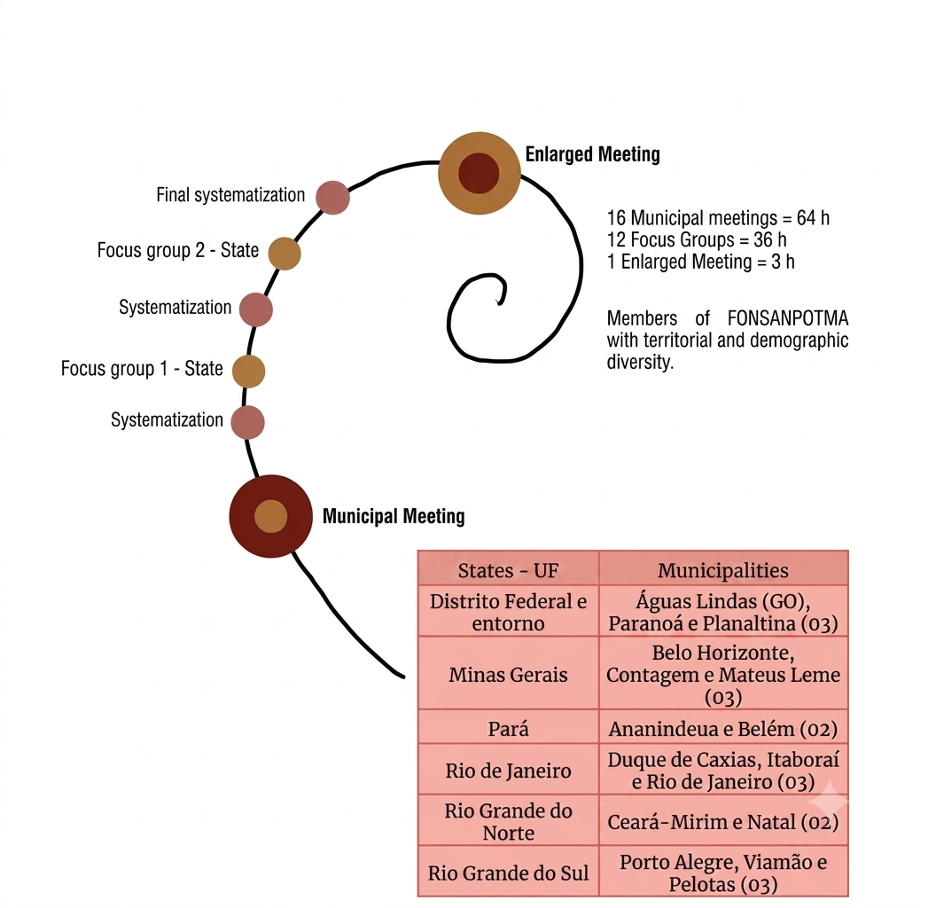
Figure 1 – Representation of Diagnostic Methodology. Source: Matos et al., 2023.
-
Key Findings and Reflections
The project confirmed the existence of distinct food systems rooted in the socio-organizational principles of people who have historically suffered from racism within capitalism, which have prevented them from achieving food sovereignty. Despite these challenges, the POTMA’s food system continues to promote public health and to preserve tradition. Characterizing this food system by detailing the processes of production, processing, distribution, preparation, consumption, and disposal of traditional African-matrix foods helped highlight resistance strategies and propose ways to promote food sovereignty and security.
The POTMA’s understanding of health is not based on the dichotomy of health versus disease, but as a state rather than a fixed condition. Although international and national organizations, such as the World Health Organization (WHO, 2026) and the Brazilian Unified Health System (SUS) (Brasil, 2026) recognize health as a dynamic state of physical, mental, social, and spiritual well-being—not merely the absence of illness—the dichotomy between health and disease remains deeply rooted in social practices and perceptions. This reductionist view, inherited from Western biomedical paradigms, continues to influence public policies, clinical practices, and collective imagination, where being “healthy” often simply means “not being sick.” In traditional communities, health is understood relationally, involving balance with nature, ancestry, spirituality, and collectivity—dimensions frequently ignored or undervalued by biomedical models that focus on the physical body and medical intervention. Thus, even with conceptual advances, a gap persists between the complexity of social experiences and institutional frameworks that continue to operate according to dichotomous logics.
Three key findings from the research project are essential in characterizing the food systems of the POTMA and the potential of its food sovereignty: 1) the importance of territories for communal eating and preservation of cultures; 2 ) the role of animal husbandry and slaughtering; and 3) the fight against prejudice and against the demonization of the POTMA’s food traditions.
4.1 Reterritorialization and the Traditional Territorial Units (UTTs)
A key cultural feature identified in the research project is that communal eating is a fundamental stage of SISANPOTMA. For example, within traditional territorial units, hands are preferred for eating. This gesture expresses ancestral knowledge that integrates body, food, and care, allowing the temperature of the food to be assessed even before it reaches the mouth, thus promoting a more conscious and harmonious relationship with the act of eating. At most, wooden spoons or other natural materials may be used.
Africans in the forced diaspora built terreiros, ilês, manzos, terreiras, roças, batuques, and xangôs—traditional territorial units of African matrix (UTTs) that enabled the reterritorialization (Silva Neto, 2019) and the preservation of their food cultures. In academia and society in general, these spaces have been labelled in different ways, such as sects, religions, and cults, terms often adopted by the people themselves.
Throughout history, POTMA have suffered crimes against humanity, including slavery and displacement — not only from their physical spaces but also from their ethnocultural identities. They had to create new territories to revitalize their fragmented cultural universe, engaging in a process of reterritorialization (Sodré, 1988). The establishment of traditional territories of the African matrix in Brazil enabled continued contact with Africa, both geographically and symbolically.
Sacred spaces — from waterfalls to crossroads — are integral parts of the traditional territories of African matrix traditions. Sacred sites were reterritorialized from Africa to places where the ancestral relationships of the POTMA, their civilizational markers, and their interactions with the immaterial world could be reconstructed, relocated, and reconnected with what was left behind due to the transatlantic slave trade and forced displacement.
The gathering of leaves is a good example of this process: when the peoples of African matrix were displaced, they dialogued and made alliances with Indigenous peoples, re-signifying the act of gathering and recognizing in the leaves and plants found in the new territories a continuity with African ancestry. This example shows how woods, forests, and fields became traditional territories — reterritorialized and reinterpreted through the experience of the diaspora. Many leaves and seeds were brought from Africa during and after slavery; however, without the resignification in relation to native Brazilian species, it would not have been possible to ensure the cultural, food, and spiritual resistance and resilience that continue to sustain these communities today.
To think politically and resist oppression requires going beyond the Western concept of territory as a mere resource or property. For the POTMA, territory is understood as an integral space of life, identity, spirituality, and knowledge production. Living and existing in fullness is only possible through respect for their territories, which encompass far more than the Western notion of land ownership. UTTs are recognized as spaces of safety, affection, memory, familiarity, and collective care. These territories are sacred and alive, as they are nourished by relationships of belonging, ancestry, and reciprocity with nature. To occupy and preserve the territory is an original right, guaranteed not only by human laws but also by the sacred foundations and cosmologies of traditional peoples. In this sense, territory for the POTMA is a collective, spiritual, and political good, essential to food sovereignty and health.
A traditional authority, upon occupying a UTT, personalizes that space, transforming it into a body-territory (Egger & Silva, 2022). This concept symbolizes the deep connection between the physical embodiment of traditional authorities and the ground upon which they walk. It implies that the body of the spiritual or community leader is intrinsically linked to the territory, serving as a vehicle for the transmission of knowledge, practices, and values. The traditional authority, therefore, not only inhabits the space but also carries it within themselves, nurturing it with sacred knowledge and ensuring the continuity of cultural and spiritual practices.
“Our first territory is our body, followed by the land we walk on, the soil and roots that nourish us, the waters that sustain us, and the humanity and violence imposed upon us. Our sustainability is continuously denied… History tells us about all the losses we have suffered due to the struggle over territory”(Egger & Silva, 2022, p. 31).
When observing a UTT, one can see that it is not merely a geographic space but a living organism, where all elements — the soil, the water, the plants, and the human beings — are interconnected. This understanding reinforces the idea that the territory is a space of resistance, where communities assert their identity, preserve their knowledge, and fight for the protection of their rights. The Western concept of religion, derived from the Latin religare, does not capture the complexity of the civilizational matrix of African diaspora peoples. Understanding territoriality as a way of life is crucial for dismantling colonial remnants that continue to mischaracterize POTMA. The history of enslavement created an unequal society in which wealth and land were granted to some while others, knowledgeable about the land and its cultivation, were enslaved.
“We will only achieve sovereignty when we have our own territory—the territory that our bodies demand: the sun, the soil, the rain, the water, the roots, the leaves, the fruits, the forest.”(Egger & Silva, 2022, p. 35).
According to Yoruba linguistic tradition, the concepts of life, territory, and world are embodied in a single word: AIYÊ. “Aiyê is life, aiyê is territory, and aiyê is world.” (Egger & Silva, 2022, p. 35). This philosophy shapes how POTMA understand territoriality and why it is essential to consider it in discussions about food.
Historically, African-matrix territories were established in areas far from urban centers, often in rural zones or on the outskirts of cities, due to the territorial exclusion imposed on Black populations after abolition. Denied access to land by the Brazilian state, Afro-diasporic peoples — especially Black women — exercised forms of resistance and resilience by collectively occupying marginalized regions, where they were able to reconstruct their ways of life, spirituality, and sociality. These processes of collective occupation gave rise to traditional territories, structured around ties of ancestry, solidarity, and community organization.
However, urban expansion has increasingly integrated these spaces into urbanized settings, limiting access to the environment and its resources. Structural racism continues to dehumanize Afro-diasporic peoples, subjecting them to displacement, criminalization, invisibility, physical attacks, and epistemicide (Santos, 2018, as cited by Porto, 2021).
In the absence of legal frameworks recognizing the collective ownership of UTTs, POTMA remain vulnerable to land grabbing, real estate speculation, and dispossession. This expulsion manifests both through the direct pressures of urbanization and through environmental destruction surrounding the UTTs — such as water pollution, deforestation, and the filling-in of sacred areas. In response, POTMA are, once again, forced to migrate in search of more preserved areas, permanently or temporarily reconstructing their territories in a historical continuum of displacement, resistance, and the reestablishment of bonds with nature and the sacred.
4.2 Animal Husbandry and Slaughtering
The role of animal raising and slaughter in the UTTs was the subject of much debate in the research project. For the POTMA, animal slaughter in religious contexts is not a “sacrifice” in Western terms, but an ancestral gesture of profound connection with life, with the cycles of nature, and with spirituality. The animal is received, cared for, and greeted, and its death is part of a process that honours life and nourishes the collective. In the terreiro (ritual space), everyone shares the food prepared according to ancestral knowledge, beginning with the elders, for they are the ones who care for the generations and safeguard wisdom. Feeding the elders first is an acknowledgment of life’s circularity: those who feed today must be nourished tomorrow. When this order is broken, we risk losing the bonds that sustain care, belonging, and the very continuity of the community.
Most groups shared experiences of production and animal husbandry within UTTs. Where production knowledge was lacking, groups described rituals aimed at restoring or reterritorializing food within UTTs. This includes ensuring food remains as “alive” as possible, meaning closer to its origin, by minimizing intermediaries and reducing the detachment of food from its native territory. For example, purchasing live animals is considered essential to understanding the conditions in which they were raised, their environment, diet, treatment, transportation, vaccination, and possible contamination by hormones or pesticides.
For POTMA, tradition is based on the principle of recognizing the other: “I am because we are.” Respect stands in opposition to violence, and nourishment is seen as the maintenance of life. Death does not exist as living beings continue to live on another plane. In the case of animals traditionally slaughtered, it is understood that they are part of the food system and that their energy becomes part of those who feed on them. Hence, it is essential to know where they come from, how they were treated, and whether they were free from mistreatment. Ritual and domestic slaughter is carried out by specific individuals who are recognized both by the community and by the oracle as being qualified to perform it. The animal is not viewed merely as food, but as a sacred being, received with care — it is cleaned, caressed, prayed over, and integrated into the community through a prolonged and careful ritual.
Unlike institutionalized religious slaughter practices such as halal and kosher — which are widely disseminated and industrialized — slaughter in Afro-Brazilian traditional territorial units stands in opposition to consumerism. It requires that the animal be raised with respect, and that its meat be shared among all, becoming part of a specific communal cuisine that strengthens ties of collectivity and solidarity. This ritual and food logic was recognized by the Federal Supreme Court (STF) in 2019, following an intense public debate (Barbiéri & Oliveira, 2019. The law now ensures the right to slaughter animals according to the traditional precepts of POTMA, especially within the context of their religious rituals. The STF’s decision, while recognizing the constitutionality of ritual slaughter and affirming its importance for the preservation of POTMA, also revealed the limitations of Brazilian institutional frameworks regarding the full protection of these peoples. The Court acknowledged the validity of the rite but did not guarantee the material and political conditions for its safe and dignified execution. In other words, the State remains uncommitted to ensuring the proper oversight of the production chain, offering no support for animal transportation, and no specific public policies that fully secure the food and spiritual rights of these communities.
Community nourishment in the traditions of POTMA is not limited to humans: it also involves plants, the earth, water, air, and the ancestors. It recognizes and respects the interdependence among all elements of life. In traditional slaughtering, nothing is wasted — everything has a purpose and a destination within the logic of care and circularity. When a goat is slaughtered, its hide may be used to make sacred drums. The meat is prepared and shared with the entire community and with anyone who wishes to eat, and part of the food is returned to the earth as an offering, acknowledging its generosity and closing the cycle of food that comes from and returns to its source. This practice reveals a sophisticated integration between different stages of work within the terreiro, which interweaves spirituality, sustainability, autonomy, and sharing. The preparation of food, the rituals, the traditional utensils, the chants, the timing of the fire, and the knowledge about the land come together in a collective process that strengthens community bonds and reaffirms ancestral memory.
The traditional food system of the African matrix is founded on values of reciprocity, respect for the cycles of life, and reintegration into the original mass from which everything came — the earth, the water, the air, and minerals. One feeds the earth, the fire, the ancestors, and the collective. The food system comes from a cosmoperception that does not separate the human from the non-human, the spiritual from the material, or the sacred from the everyday. In this sense, the dominant Western logic — which imposes a fragmented and utilitarian view of the world — not only disrespects these traditions but also threatens life itself by promoting the destruction of the earth, water, and ancient sustainable ways of existence.
4.3 The Demonization and Criminalization of POTMA Food Systems
For POTMA, “eating is equivalent to living, maintaining, preserving, initiating, communicating, and reinforcing individual and collective memories” (Lody, 1998). Reflecting on food sovereignty, Makota Valdina stated that there was no need to go to the “white man’s world” for medicine. Instead, people would go into the forest to find remedies: “We had the space to learn, and everything was healthy… If we had pain, we didn’t go to the white man’s pharmacy; we went to the forest” (Makota Valdina, cited by Mulanji, 2021). She further asserted that food is at the core of African thought and philosophy. “Feeding is an act of exchange: when I receive, I give back through nourishment; when I wait, I feed others first; when I give thanks, I do so through food” (Makota Valdina, cited by Mulanji, 2021).
Nutrition for the POTMA is not limited to the biological act of eating; it goes beyond that—it exists to sustain both the cosmos and health: “For us, nutrition is not just about trace elements and the nutritional value of components; it is directly linked to the power of biomythic balance. Therefore, having control over food production and commercialization is essential. Food is sacred, but it must also be made sacred to remove the ‘white man’s ills’ from it” (Nogueira, 2021). Food must be respected—free from pesticides, aggressive methods, and violence—only then can it generate balance. For the POTMA, food is cyclical and must be understood as biomythic security (Mulanji, 2021). In other words, it is not only what is consumed that needs to be made sacred, but what is returned to nature as well. The return of fruits, grains, or other foods containing pesticides disrupts biomythic security (Mulanji, 2021).
The different ways of eating were used by European colonizers as a means of intensifying violence against African peoples who were forcibly taken to the Americas. Eurocentric “modernity” excluded and annihilated other possible worlds under the justification that the population should be “modernized”. Many strategies were employed, including the demonization of the social, cultural, and health practices of the POTMA (Silva, 2019 and 2021). This has built a social imaginary in Brazil that negates, delegitimizes, and even criminalizes the ancestral and traditional knowledge of the POTMA, within a structurally and violently racist society.
The demonization of the knowledge and sensitivities of the POTMA affected and continues to affect their food sovereignty, generating social inequalities. One central strategy in this has been the demonization of the symbols, practices, and sacred foods of these peoples. The figure of Exu, a fundamental orixá in Yoruba cosmologies and in Candomblé, was systematically demonized, being associated with the figure of the devil in the colonial Christian tradition (Claudia Regina Alexandre, cited by Kota Mulanji, 2021). This demonization extended to rituals and dietary practices linked to the worship of Exu and other orixás.
In this process, sacred foods — such as sheep and goats, which play a central role in the rituals and diet of traditional peoples of the African matrix — came to be associated with negative, impure, or even diabolical images. This racist symbolic construction not only marginalizes African-matrix religious and food practices but also reinforces discourses of hatred that dehumanize POTMA, making their knowledge and ways of life invisible. Food, far from being merely a nutritional or cultural matter, became a field of symbolic and political contestation — in which colonial and religious violence is expressed through the control, denial, and criminalization of ways of eating and of feeding the sacred.
It is essential to reflect on the term “demonization”. Its use here is not about reaffirming colonial perspectives in political struggles but about acknowledging the role Christian ideology has played in erasing the knowledge of Indigenous peoples and other traditional communities. This is not an attack on biblical cosmology, but a recognition of its power over society and how it has, historically, served the epistemic erasure of POTMA. The expansion of capitalism and Christianity across the world was simultaneous and often imposed by force on militarily dominated peoples. When people say, for example, that Brazil has a Catholic culture, what remains unsaid is that it also has a colonial, capitalist, Eurocentric culture built on the removal of nature from the center of civilization.
From slavery to abolition, Black people have always had their culture marginalized and discriminated against. Even though significant struggles led to the 1891 Constitution and Decree 119-A of 1890 guaranteeing freedom of worship, religious practices of the African matrix continued to be criminalized indirectly (Silva, 2019). Instead of explicitly banning these religious expressions, authorities used the 1890 Penal Code to classify them as offences against public health. Police authorities, guided by Christian, racist, and colonial moral values, used their discretion to control and persecute practitioners (Silva, 2019).
The criminalization of SISANPOTMA persists today through unreasonable sanitary regulations and legislation. Similarly, municipal master plans often deny or restrict access to traditional territories, privatizing areas used for cultivation or gathering. Thus, in the current context, food sovereignty is compromised, and the knowledge of the POTMA is often criminalized, preventing small producers from accessing areas essential for the production of leaves, fruits, and other traditional foods.
-
Conclusion
The systematization of the Food and Nutrition System of Traditional Peoples of African Matrix (SISANPOTMA) is more than a research effort. It is concrete proof of the existence of a living, ancestral, and collective system that sustains the lives of POTMA, despite centuries of denial and violence. The research conducted between 2019 and 2022 brought this system into visibility and demonstrated that it is rooted in everyday practices that span territories, bodies, and generations. We did not invent this system — we revealed its existence using methodologies that respect orality, spirituality, and the circular nature of traditional knowledge.
The systematization of SISANPOTMA is not merely a description of food practices, but the affirmation of an ancestral political-civilizational project, in which body, territory, nature, and food are inseparable dimensions of health. However, it is important to emphasize that SISANPOTMA cannot be reduced to a single, closed systematization. Fully understanding this system requires a multifaceted analysis that considers structural racism, symbolism, and orality as central dimensions of the thought and organization of POTMA. Ignoring these layers makes any real grasp of this complexity impossible.
Recognizing and protecting the food knowledge and practices of traditional peoples of the African matrix is a fundamental step not only toward ensuring cultural and religious rights (CAISAN, 2023) but also toward sustaining other possibilities of living and relating to the planet. It is a call to decolonize public policies, justice, and the ways we think about food, care, and life.
Throughout the research fronts, we collectively produced knowledge, practiced critical interculturality and decolonial pedagogy (Walsh, 2009), and created tools to reflect on the coloniality of knowledge, the hierarchization and racialization of people, collectives, and systems of thought (Lander, 2005). To do so, it was necessary to understand that defining the problem situation already reflects the complexity of POTMA’s ways of thinking, and how their knowledge cannot be fragmented.
The effective promotion of food sovereignty for the POTMA is directly linked to combating racism and achieving structural changes in power and domination relations within society. The socio-organizational principles of these peoples indicate that food sovereignty extends beyond food practices within the traditional territorial units (UTTs); it represents a societal project that respects ethnic, racial, and regional specificities while enabling autonomy at all stages of the food system and facilitating everyday food choices in homes, schools, workplaces, and public and private spaces.
The conflict map presented narratives of violations of territorial, environmental, and food rights, revealing structural and environmental racism in its multiple forms: from the expulsion of people from traditional territorial units to poisoning by agrochemicals; from the erasure of traditional planting and cooking methods to the disrespect for sacred food offerings. The documentary Boca que Tudo Come allowed us to give back to the research community what we received from it: through the strength of orality, imagery, and affection, it conveys ancestral wisdom in an accessible, sensitive, and mobilizing language.
If traditional food is under threat, ancestral knowledge itself is at risk. When POTMA are not allowed sovereignty over their own bodies, food, and production methods, they face food insecurity. Thus, ancestral knowledge preserves life. It is impossible to think of SISANPOTMA without decolonizing knowledge, ensuring cognitive [10]and environmental justice, guaranteeing food sovereignty, securing traditional territories, and combating racism through the legal, historical, and social recognition of POTMA.
Further research must continue exploring the impact of structural racism on SISANPOTMA and promoting traditional food practices in a globalized world. Strengthening partnerships among academia, grassroots organizations, and POTMA movements remains essential for sustaining this fight for social justice and food sovereignty. Moving forward requires a commitment to valuing POTMA’s knowledge systems and strengthening their autonomous forms of organization. It means recognizing that food for POTMA is sacred — and that the struggle for food sovereignty is sacred as well. The future of their food system is not just a projection: it has already begun and moves forward with the steady steps of those who, as the Sankofa philosophy teaches us, look back to walk ahead — with dignity, belonging, and freedom.
Acknowledgements
The authors would like to give thanks to our ancestors—to all those who gave their lives so that we might continue to exist. In this research conducted during the COVID-19 pandemic, we honour those who passed away during this time of collective sorrow. In the name of so many, we mention here Tata Funadesi (Pai Bone), in memoriam, and Mameto de Nkise Oyacibelecy (Mãe Rita), in memoriam.
It is also essential to pay tribute to the Elders who keep the struggle alive: Mãe Nalva, Ancestrality Coordinator of FONSANPOTMA; Mãe Vera Soares, General Coordinator of FONSANPOTMA; and, on behalf of all the Municipal FONSANPOTMA groups, Pai Aurélio, coordinator in Brasília. For the continuation of this struggle, we also extend our thanks to our youth coordinators, Mukembo e Verônica, who reaffirm that our names will not disappear “behind the portrait,” as processes such as this chapter allow us to continue telling our own story.
The text of this chapter was prepared by the national coordination (2023–2024) of the National Forum on Food and Nutritional Security of Traditional Peoples of African Matrix (FONSANPOTMA), whose actions, for more than five years, have been dedicated to the development and recognition of the Food and Nutrition System of Traditional Peoples of African Matrix (SISANPOTMA). Beyond recognition, we seek to assess and build alternatives to the impacts that deterritorialization and racism have caused—and continue to cause—within SISANPOTMA. The authors would like to acknowledge the contribution of Andrea Moraes, who translated and reviewed the English version of this chapter. Most of the translation was done using ChatGPT 4, and was revised by Andrea and Cecilia.
The project was conducted in partnership with the Oswaldo Cruz Foundation (FIOCRUZ), under its Vice-Presidency of Environment, Care, and Health Promotion (VPAAPS) and the Health and Agroecology Agenda, with support from the Brazilian Observatory of Food Habits (OBHA/FIOCRUZ Brasília) and NEEPS/ENSP/FIOCRUZ. FIOCRUZ is a major Brazilian public health research institution that produces, disseminates, and shares knowledge and technologies. FIOCRUZ is a federal public institution linked to the Ministry of Health, which celebrated 120 years of existence in 2020, and serves as a Collaborating Center of the Pan American Health Organization (PAHO/WHO) on Public Health and Environment. FIOCRUZ is part of the Unified Health System (SUS). Its mission is: “To produce, disseminate, and share knowledge and technologies aimed at strengthening and consolidating the SUS and contributing to the promotion of health and quality of life of the Brazilian population, to the reduction of social inequalities, and to the national dynamics of innovation, upholding the right to health and broad citizenship as central values” (FIOCRUZ, n/d).
FONSANPOTMA, the National Forum for Food and Nutritional Security of Peoples of African Matrix, is an organization created by recognized traditional authorities of terreiro communities, knowledge networks and territorial units. It seeks to ensure food sovereignty, combat institutional racism, and promote cognitive and environmental justice. Since 2012, it has acted as a national platform for political advocacy, representation, and knowledge production on the POTMA food system. Organized as a network, it includes national, state, and municipal structures in 14 states and 50 municipalities. It is recognized for its role in public policy formulation and mobilization strategies rooted in Afro-Brazilian traditions[11].
Since its inception, the collective body that gives life to FONSANPOTMA has focused on food security within UTTs, seeking public policies that go beyond religious considerations. This work has included the development of the First Sustainable Development Plan for Traditional African-Matrix Peoples and Communities (SEPIR, 2013), the Handbook of Traditional African Matrix Peoples and Communities (SEPIR, 2016), and the Legal Framework for Traditional African Matrix Peoples and Communities, Bill 1279/2022 (Camara dos Deputados, 2022).
The research coordination was led by researcher Regina Goulart Nogueira, appointed by FONSANPOTMA, and, as of November 2020, researcher José Pedro da Silva Neto, appointed by Fiocruz. The call for applications was widely publicized, receiving 214 submissions, of which 174 were validated. These applications came from all 27 Brazilian states. Among the applicants, 71.9% identified as Black or mixed-race, 51.4% were affiliated with CNPq/ The Brazilian National Council for Scientific and Technological Development research groups, and 60% were directly connected to POTMA communities. Ultimately, researchers Luana Lazzeri Arantes and Camila Carvalho de Souza Amorim Matos were selected.
The field research team included: Aisha Angéle Leandro Diéne (Kota Lembamueji), Caroline de Castro Pires (Ìyá Caroline de Òsun), Cleyton Silva de Araújo (Doté Olissassi), Flávio Henrique de Oliveira Santos (Ìyàwó de Òsun), Francisca Luciene da Silva (Ìyá Temi de Oya), Helenira Martin Lopes (Helenira de Yemanjá), Julia de Oliveira Jordao (Oyá Tobi Irè), Keila Nascimento Rocha (Cigana Topázio), Kenya de Fatima Oliveira (Nengua Dandalumuenu), Leonardo Vieira Silva (Bàbá Logun Ominsile), Rebeca Osabunmi de Lima Monteiro (Osabunmi), Regis Moreira Pinto (Tata Kitanji), Samuel Pedro da Silva (Muzenza Mona Nkosi), Simone do Socorro Miranda Mendes (Ìyá Egbé), Tiago Alves Ferreira (Mvula Kenan), Virginia Lunalva Miranda de Sousa Almeida (Ìyá Nalva de Òsun)and a volunteer, Pamela Nogueira.
Workshops were led by Glícia Caldas Goncalves da Silva, Marcelo Firpo de Sousa Porto, Kota Mulanji (Regina Nogueira), Juliano Palm, Asogun Aderbal Moreira, Tania Pacheco, Iyalorixá Vera Soares, Iyalorixá Virgínia Lunalva Miranda de Sousa Almeida (Mãe Nalva), Iyalorixá Luizinha de Nanã (Heloisa Helena Costa), Tata Luazemi (Roberto Braga), Dr. Julio José Araujo Junior, Helder Câmara, Iyalorixá Bernadete de Odé (Bernadete Souza Ferreira), Babalasé Moacir de Omolú, Ilzever de Matos Oliveira Babalorixá Edvaldo, and Makota Kinanjenu.
The research front that led to the documentary “The Mouth That Eats Everything” was coordinated by FONSANPOTMA’s communication leadership, represented by Maria Aparecida da Silva Lessa, the coordination of ancestry, represented by Babalorixa Odesi (Manoel Domingues), and the Ecologies, Epistemologies, and Emancipatory Health Promotion Research Group (Neepes/ENSP) at the Oswaldo Cruz Foundation (Fiocruz), through Marina Tarnowski Fasanello.
The filming, direction, and editing team included members from POTMA: Alessandra Silva De Oliveira (Alessandra de Xapana), Ana Carolina Mendonça Pereira, Carlos Augusto da Silva Júnior, Edna dos Santos Andrade (Kota Lembarecimbe), Gabriel do Amaral Batista, Gustavo Oliveira Fonseca, Herison Pedro Mateus de Souza, Hugo Chaves Monteiro, Isabela de Fátima do Lago Vieira, Janaína Ferreira do Nascimento, Jean Caldovino Mendes (Jean de Oxalá), Jessica Marcele Gonçalves Alves, Lorena Portela Soares, Luana Gabriela Catarino (Makota Dandakamuxi), Luis Carlos Fontes De Alencar Filho, Marcos Guilherme Da Costa Reis (Adèolá Marcos de Oxum), Paula Monte Coutinho De Souza, Philyp Rodrigues (Bàbá Phil), Renata Aguiar Rodrigues, Sarah Esli De Lima Souza, Silvana da Silva Santana De Almeida, Thallyson Rocha, Thayna Brasdil, 2007; Soares Silva (Thay de Obá), Vladimir Pereira Seixas, and the audiovisual production company Couro de Rato RJ. This effort created a narrative in which access to information is less academic, making it more accessible and didactic, while being deeply rooted in the ancestral legacy and subjectivity of POTMA.
Since the conclusion of the research project, FONSANPOTMA has expanded its actions and political alliances, affirming SISANPOTMA as a foundational axis in the struggle for cognitive, environmental, and food justice. Its participation in institutional spaces such as the National Council for Food and Nutritional Security (CONSEA) and the National Council of Traditional Peoples and Communities (CNPCT) has been strategic for incorporating the demands of the POTMA into public policies. Moreover, partnerships with FIOCRUZ, the Ministry of Agrarian Development and Family Farming (MDA), the Ministry of Social Development, Family and Fight against Hunger (MDS), the Ministry of Health, and the Ministry of Racial Equality have enabled new projects focused on food sovereignty, participatory research, and political education. Also noteworthy are the alliances with networks such as the National Agroecology Articulation (ANA), the Network of Traditional Peoples and Communities of Brazil and international dialogues in defense of Mother Earth, which connect the POTMA to broader global struggles for climate justice and the recognition of traditional food systems as essential to planetary survival.
Every step of this journey was built collectively, grounded in memories, lived experiences, and legacies inscribed in each body-territory that forms the FONSANPOTMA. These are the people — traditional authorities, leaders, researchers, women, youth, council members, elders, and masters — who uphold the African and Afro-diasporic civilizational principles through their daily practices.
What we systematize here is only part of a greater body of knowledge, one that is continuously re-created in the soil of the UTTs, in community and ancestral kitchens, in rituals, markets, farms, networks of care, and at the crossroads of struggle.
References
Alves, M. C., Silva, A. P. M. de., Dias, R. S. R., Lampazzi, P. P., & Portilho, K. (Orgs) (2022) Matripotência e mulheres Olùsó: memória ancestral e a enunciação de novos imaginários. Editora Redeunida.
Alexandre, C. R. (2021). Exu Feminino e o matriarcado nagô: Indagações sobre o princípio feminino de Exu na tradição dos candomblés yorubá-nagô e a emancipação das “Exu de Saia” [Doctoral Dissertation] Pontifícia Universidade Católica de São Paulo].
Barbiéri, L.F. & Oliveira, M. (March 28, 2019) STF decide que sacrifício de animais em cultos religiosos é constitucional. G1 e TV Globo Brasília.
Brasil. (2007) Decreto 6.040/2007. Art. 3º par. I. Define os Povos e Comunidades Tradicionais.
Brasil. (2026) SUS- Sistema Unico de Saude. Ministério da Saúde.
CAISAN (2023) Direitos Ancestrais e Culturais dos Povos de Comunidades Tradicionais, Populações de Matrix Africana/Povos de terreiro ao Bode. Recomendação 08/2023 In: CONSEA. Caderno de Recomendações do CONSEA nacional.
Câmara dos Deputados (2022). PL 1279/2024. Proposta legislativa que reconhece e regulamenta os sistemas alimentares dos Povos Tradicionais de Matriz Africana no Brasil. Portal da Camara dos Deputados.
Egger, D.S. & Silva, V. C. (Eds.) (2022). Caderno de experiências de pesquisa em saúde e povos tradicionais de matriz Africana: para a promoção de soberania e segurança alimentar e nutricional.[PDF] [livro eletrônico] 1ra ed. Fundação Oswaldo Cruz. Rio de Janeiro.
Fasanello, M.T., Nunes, J.A., & Porto M.F. (2018) Metodologias colaborativas não extrativistas e comunicação: articulando criativamente saberes e sentidos para a emancipação social. RECIIS 12 (4).
Fasanello, M.T., Mello, P. L., Lessa, M. A. S. & Domingues, M. (2023) Caderno de experiência de pesquisa em documentário: o alimento de diversos mundos: um diálogo entre os povos tradicionais de matriz africana e a saúde coletiva. [PDF] [livro eletrônico]1. ed. — Fundação Oswaldo Cruz. Rio de Janeiro.Rio de Janeiro : Ed. dos Autores.
FIOCRUZ. (n/d) Fundação Oswaldo Cruz. Fundação Oswaldo Cruz. https://fiocruz.br/en
FLACSO Brasil (2015) Guia do Diagnóstico Participativo.[PDF]. Brasília.
FONSANPOTMA (n.d). Fórum Nacional de Segurança Alimentar e Nutricional dos Povos Tradicionais de Matriz Africana.
Geertz, C. (1989) A interpretação das culturas. 1. ed. Rio de Janeiro: Editora LTC.
Geertz, C. (2002) Obras e vidas: o antropólogo como autor. Rio de Janeiro: Editora UFRJ.
IBGE– Instituto Brasileiro de Geografia e Estatística. (2023) Religioes – Resultados Preliminares da Amostra Census 2022 [PDF] [powerpoint] Coordenação Técnica do Censo Demográfico – CTD. Agencia de Noticias.
Lander, E. (2005) A Colonialidade do Saber: Eurocentrismo e Ciências Sociais. Perspectivas Latino-americanas [PDF]. Buenos Aires: Coleccion Sur Sur, CLACSO, Argentina. Setembro.
Leite, D.S. (2021) Sankofa e as políticas de ações afirmativas: Olhar o passado para construir o futuro. Gedelés: Instituto da Mulher Negra.
Lody, R. (1998). Santo também come: Um panorama da cozinha afro-brasileira (2ª ed.). Pallas.
Matos, C. C. S. A., Arrantes, L. L., Silva Neto, J. P., & Nogueira, R. G. (2023) Caderno de experiência de pesquisa em sistemas alimentares dos povos tradicionais de matriz Africana: Soberania e segurança alimentar e nutricional em interface com a saúde coletiva [PDF]. FIOCRUZ & FONSANPOTMA. [livro eletrônico]1ra ed. Rio de Janeiro.
Ministério da Saúde – Brasil. (2014) Guia Alimentar para a População Brasileira. 2nd Edição..Brasília.
Morais, M.R. & Jayme, J.G. (2017) Povos e Comunidades Tradicionais de Matrix Africana: Uma análise sobre o processo de construção de uma categoria discursiva. Civitas: Revista de Ciencias Sociais. Porto Alegre, v.17, n.2.
Mulanji, K. (2021). Reflexão sobre racismo ambiental e a invisibilidade de povos tradicionais. [Workshop presentation] Traditional peoples of the African Matrix and the Map of Conflicts involving Environmental Injustice and Health in Brazil.
Ndandalakata, Yalorixa Mametu. (2009, June 25-28). Plenária de Encerramento [Conference Presentation]. II CONAPIR – Conferência Nacional de Promoção da Igualdade Racial, Brasília. Seppir (Secretaria Especial de Políticas de Promoção da Igualdade Racial, CNPIR Conselho Nacional de Promoção da Igualdade Racial) & Fipir1 (Fórum Intergovernamental de Promoção da Igualdade Racial.
OBHA – Observatório Brasileiro de Hábitos Alimentares.(2024). Public health and traditional peoples of African descent for the promotion of food and nutritional sovereignty and security.
Palm, J. (2021, April 12) Food and Nutritional Sovereignty of Traditional African-Rooted Peoples and Communities. [Workshop presentation] Traditional peoples of African Matrix and the Map of Conflicts Involving Environmental Injustice and Health in Brazil.
Porto, M.F.S., Pacheco, T., & Leroy, J. P. (Eds.) (2013) Injustiça ambiental e saúde no Brasil: o Mapa de Conflitos (DGO-Digital original). SciELO – Editora FIOCRUZ.
Porto, M.F.S. (2021, April 9) Ancestral Knowledge and Racisms: The Demonization of the Knowledge of Traditional African-Rooted Peoples. [Workshop presentation] Traditional peoples of African Matrix and the Map of Conflicts Involving Environmental Injustice and Health in Brazil.
Rocha, D. F. da, Lima e Silva, M.D., de Souza Ramos, L., Lessa de Mello, P., Vieira da Silva, M. M., & Gomes de Moura, D. E. (2023) Caderno de experiência de pesquisa em povos tradicionais de matriz africana e o mapa de conflitos envolvendo injustiça ambiental e saúde no Brasil.[PDF] Fundação Oswaldo Cruz. Rio de Janeiro: Ed. dos Autores ISBN 978-65-00-90432-1
Santos, B. de S. (2006). A gramática do tempo: Para uma nova cultura política. Cortez Editora.
Santos, B. de S. (2007) Para além do pensamento abissal. Novos Estudos: 79.
Santos, B. de S. (2018). Introducción a las Epistemologías Del Sur. In M. P. Meneses & K. Bidaseca (Eds.), Epistemologías del Sur: epistemologias do Sul (pp. 25–62). CLACSO.
SEPIR- Secretaria de Políticas de Promoção da Igualdade Racial. (2013) Plano Nacional de Desenvolvimento Sustentável dos Povos e Comunidades Tradicionais de Matrix Africana. Presidência da República. 1ra Edição: Brasília.
SEPIR – Secretaria Especial de Políticas de Promoção da Igualdade Racial (2016). Povos e Comunidades Tradicionais de Matrix Africana: Cartilha.[PDF] Ministério da Justiça e Cidadania. Brasília.
Silva, G. C. G. da (2019) A Cabaça do Segredo: Religiosidades e Concepções Populares de Cura no Rio de Janeiro, 1880-1927.[PDF] Tese de Doutorado. Universidade Federal do Estado do Rio de Janeiro.
Silva, G. C. G. (2021, April 9) Ancestral Knowledge and Racisms: The Demonization of the Knowledge of Traditional African-Rooted Peoples. [Workshop presentation] Traditional peoples of African Matrix and the Map of Conflicts Involving Environmental Injustice and Health in Brazil.
Silva Neto, J.P. da. (2019) Povos e comunidades tradicionais de matriz africana:visgo para combater o racismo. Perseu: História, Memória e Política , v. 17, p. 91-122.
Sodré, M. (1988). O terreiro e a cidade: A forma social negro-brasileira. Vozes.
Walsh, C. (2009). Interculturalidad, estado y sociedad: luchas (de)coloniales de nuestra época. Abya-Yala.
Widmer, H. (1986). “Bolo’bolo”. Petrópolis, RJ: Correcotia, 1986.
WHO – World Health Organization. (2026). Health & Wellness. The Global Health Observatory. Endnotes
- We use the word matrix instead of descendants, because many Brazilians are descendants of African-origin heritage, but only the POTMA remain the maintainers of the principles of the original African peoples. ↵
- Defined by Santos (2018) as “destruction of an immense variety of knowledge that prevailed mainly on the other side of the abyssal line, in the colonial societies and sociability” (p. 36). ↵
- In the IBGE censuses, religions of the African matrix are grouped into the categories Umbanda and Candomblé (which also include other Afro-Brazilian traditions). ↵
- The concept of Sankofa (Sanko = to return; fa = to seek, to bring) originates from a traditional proverb among the Akan-speaking peoples of West Africa, in Ghana, Togo, and Côte d'Ivoire. In Akan, “se wo were fi na wosan kofa a yenki” can be translated as “it is not taboo to go back and fetch what you have forgotten.” (For more, see Leite, 2021) ↵
- Águas Lindas (GO), Paranoá (DF), Planaltina (DF), Belo Horizonte (MG), Contagem (MG), Mateus Leme (MG), Ananindeua (PA), Belém (PA), Duque de Caxias (RJ), Itaboraí (RJ), Rio de Janeiro (RJ), Ceará-Mirim (RN), Natal (RN), Porto Alegre (RS), Viamão (RS), and Pelotas (RS). ↵
- In Portuguese: ninguém larga a mão de ninguém. ↵
- UTTs (Traditional Territorial Units of African Matrix) encompass ritual places such as "terreiros," "roças," Ilê, Nzo, Àbàsà, and Egb é, among other denominations (Silva Neto, 2019). ↵
- https://mapadeconflitos.ensp.fiocruz.br ↵
- http://www.couroderato.com.br ↵
- Cognitive justice means creating global equality among different ways of thinking. Historically, colonial systems have silenced and dismissed the knowledge of marginalized communities. To fix this, we need an "ecology of knowledges"—a system where traditional, local, and academic ideas all have equal value. By embracing these diverse perspectives, we can build a fairer, more complete understanding of the world that helps liberate oppressed people (Santos, 2006). ↵
- For more on FONSANPOTMA see @fonsanpotma https://www.instagram.com/fonsanpotma/ ↵