
Frontline Service Providers
Content Warning: The following story depicts caregiver-directed violence, including sexual and image-based abuse. Reader discretion is advised.
When Dr. Tyabashe reviews Amahle’s home care records during a routine check, she notices that something is not right. Amahle is a woman with high‑support‑needs autism who is nonverbal, who resides in a care home. Entries in the caregiver app do not match the clinical notes she is reviewing.
The physicians’ notes indicated that last week, Amahle had been feeling extremely distressed. However, when reviewing caregiver app notes provided by the agency, her main caregiver logged that Amahle was in good spirits, no issues. Dr. Tyabashe decides to investigate this discrepancy.
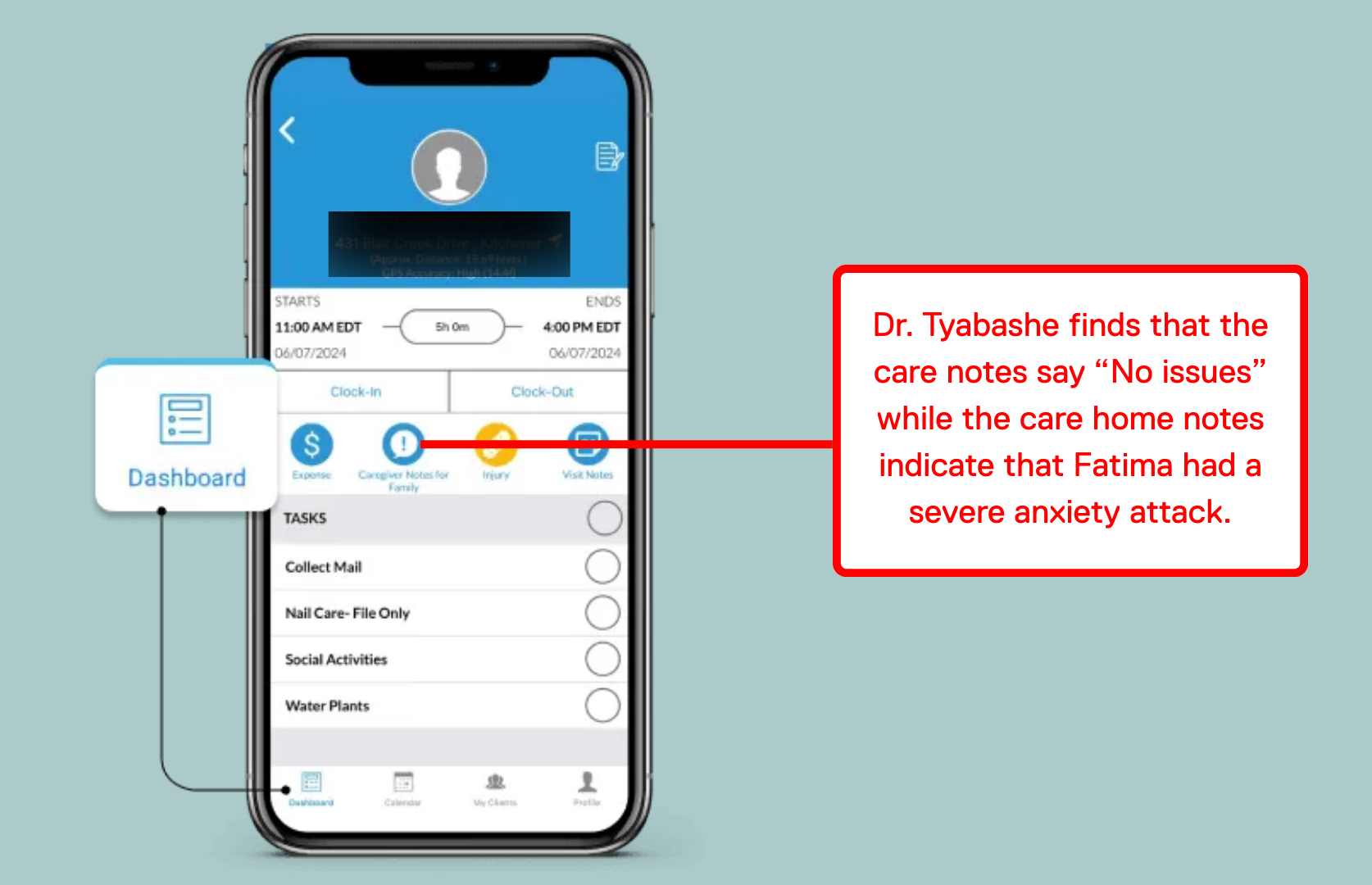
A routine check of the agency’s shared folder reveals uploads from a caregiver’s device during the same week. The IT lead flags unfamiliar filenames and thumbnail previews that do not match authorised documentation. Family members confirm Amahle had a difficult week and report the caregiver insisting on being alone during personal care.
A caregiver’s private device had been used to download a file from the agency’s shared folder in the same week that Amahle’s clinical notes recorded severe distress. When Dr. Tyabashe asked the agency IT lead for a routine folder review, the lead flagged several unfamiliar filenames and thumbnail previews that did not match any authorised documentation.

A cautious preview (without opening intimate content) shows images saved under innocuous names in a personal downloads folder. Message threads in the app include an intimate, sexualised tone inconsistent with professional care, and some app entries appear edited after clinical visits.
Alarmed, Dr Tyabashe preserves exports and screenshots, documents the timeline, removes the caregiver from Amahle’s roster, arranges alternative care, and reports the matter to the agency and authorities. She meets Amahle and her family, and apologises for the breach of trust, and outlines immediate supports and longer‑term safeguards.

Once the immediate crisis is addressed, Dr. Tyabashe turns her attention to the bigger picture. She raises the issue with agency leadership and advocates for systemic improvements. She recommends mandatory digital safety training for all caregivers, stronger documentation policies, regular supervision, and routine audits of the caregiver app to detect misuse early. She emphasises that technology can support care, but only when staff are trained and systems are monitored.

Feedback/Errata