
Family and Caregivers
Chapter 11: Recognizing that TFGBV is Happening to a Loved One
As a caregiver, family member, or partner, you play an important role in noticing early signs that something is wrong. This chapter helps you understand what TFGBV can look like in a loved one’s behaviour, emotions, and daily life. These signs do not prove that abuse is happening, but they can help you recognize when someone may need support, safety, or a gentle conversation.
Learning Objectives
- Recognize emotional, psychological, and behavioural signs that may show a loved one is experiencing online harassment or digital control
- Learn how to notice changes that signal discomfort, fear, or loss of digital independence
- Understand how TFGBV can affect a person’s wellbeing, routines, and relationships
Tech‑facilitated gender‑based violence can be difficult to see from the outside. Many people who experience digital abuse do not talk about it right away. They may feel confused, ashamed, or unsure if what is happening “counts” as violence.
They may also rely on the person causing harm for support, care, or daily needs, which can make it even harder to speak up.
How Do You Know If Someone You Care About Might Be Experiencing TFGBV?
Survivors often show signs in their feelings or behaviour long before they name the situation as abuse. You may notice changes in how they act, how they use technology, or how they talk about their online experiences.
These signs are not proof on their own, but they are signals that something deserves attention. They likely warrant a bigger conversation, where you ask about their safety.
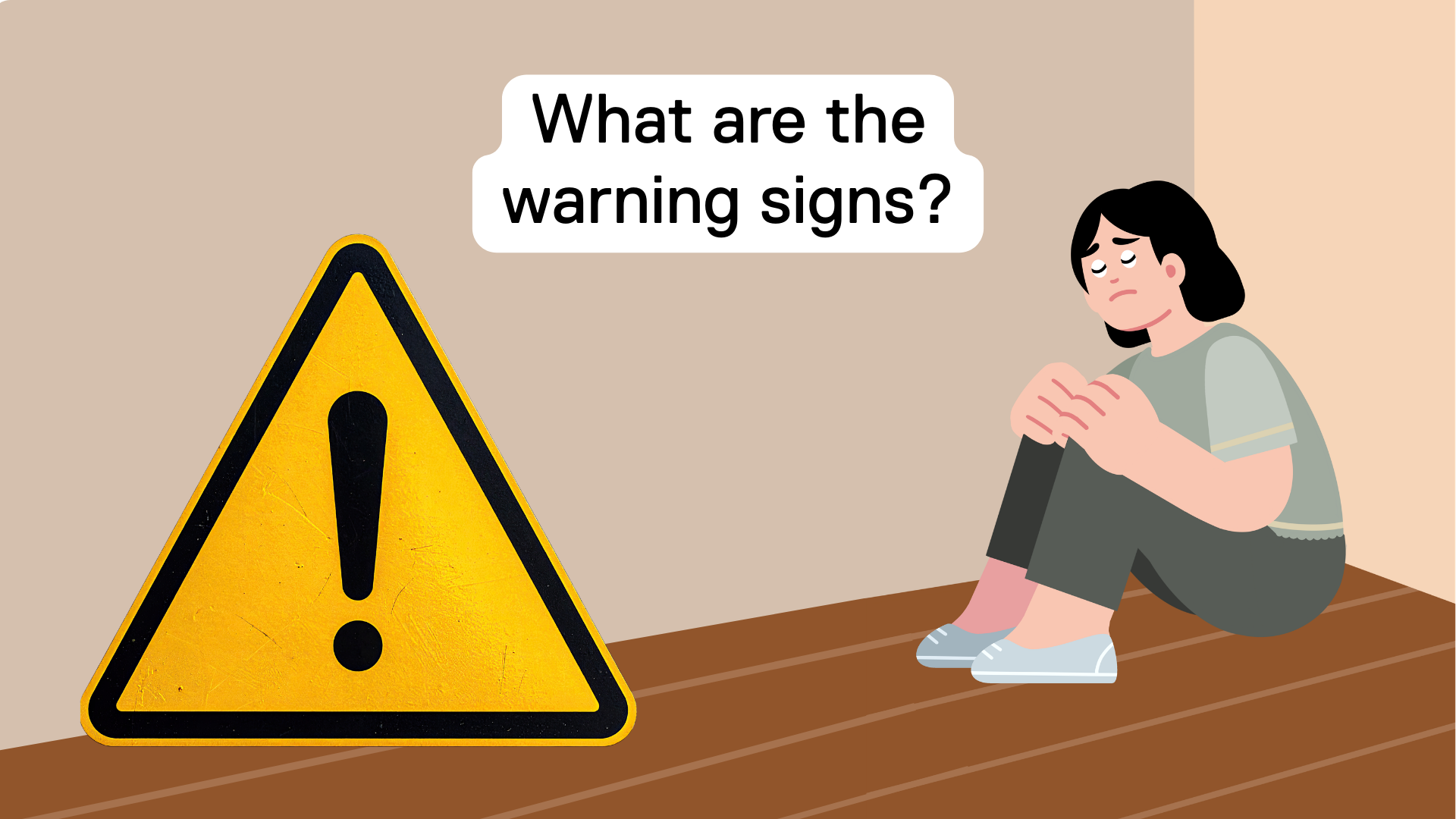
Emotional and Psychological Signs
Think about how your loved one has been feeling lately. Have you noticed shifts in their mood, confidence, or comfort with technology? These changes may be connected to TFGBV. Possible signs might include:
- Sudden anxiety when messages or notifications appear
- Nervousness about posting online or checking accounts
- Embarrassment or shame about something happening online
- Blaming themselves for someone else’s harmful behaviour
- Feeling watched or monitored, even when alone
- Confusion because the person harming them also claims to be “helping”
These emotional shifts often appear before a survivor is ready to talk about what is happening.
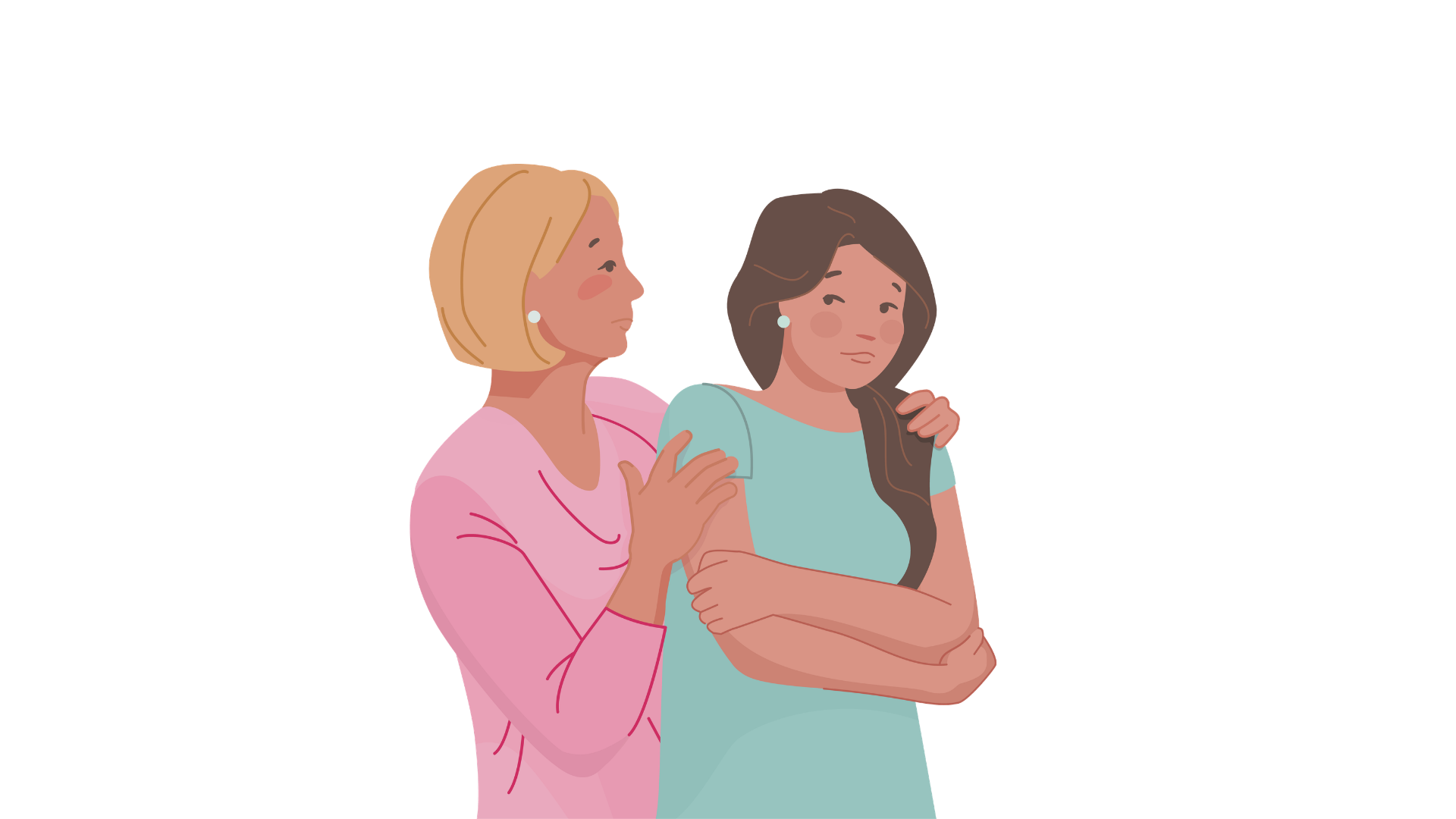
Behavioural and Daily Life Signs
People sometimes change their routines to protect themselves. These changes can be subtle or sudden. You may notice the following signs:
- Avoiding certain apps, platforms, or devices
- Deleting posts or changing how they communicate
- Trouble sleeping, concentrating, or enjoying activities
- Withdrawing from friends, family, or online communities
- Repeatedly changing passwords or checking devices for tampering
- Feeling pressure to respond immediately to messages
These behaviours can be signs that someone feels unsafe or is being harassed or abused online. TFGBV affects a survivor’s sense of safety, privacy, and control.
These feelings often show up in the body and in daily habits long before someone names the situation as abuse. Recognising these early signs can help you offer support in a gentle and non‑judgmental way.
Reflection
- Which of these signs have you witnessed before, if any?
- How would you approach a survivor after witnessing some of these warning signs? If you’re not sure, then don’t worry! We’ll discuss this in the next chapter.

Feedback/Errata