
General Information About TFGBV
Chapter 5: What Are Your Rights Online as an Adult?
Everyone deserves to feel safe, respected, and in control when using technology. Your phone, your accounts, and your online spaces belong to you. This does not change dependent on gender or disability status.
As an individual, a caregiver, a friend, a family member, or a frontline service provider, understanding adults’ rights with regards to online safety and wellness is essential to getting and giving the right support and protecting against violence.
Learning Objectives
- Learn about your rights as an adult when using digital technologies.
- Learn about the laws in place to protect you as a person living in South Africa.
This chapter explains everyone’s basic digital rights in clear and accessible language.
These rights apply whether you are using a phone, computer, tablet, assistive device, or any online platform. Understanding your rights can help you recognize when someone is crossing a line. It can also help you speak up, set boundaries, and reach out or even provide for support when it is needed.
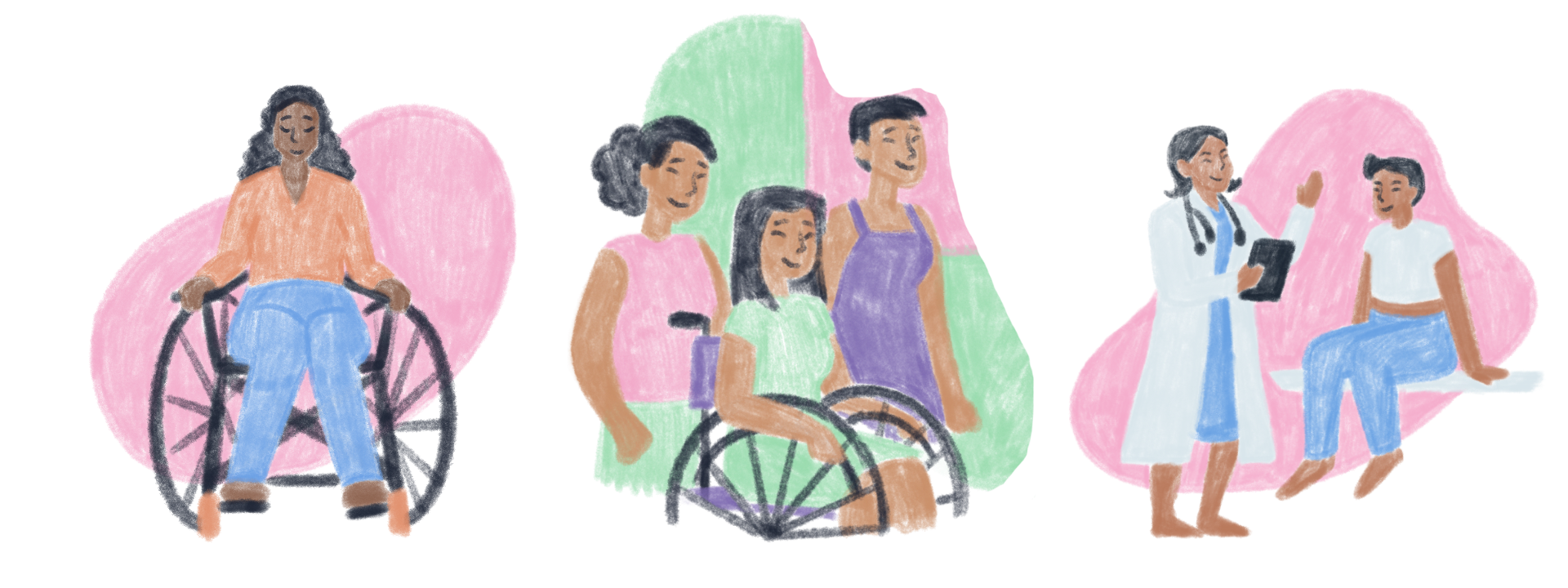
Your Rights in Everyday Digital Life
You have the right to use technology in ways that support your independence, safety, and wellbeing. These rights apply to everyone, including people who rely on caregivers, support workers, partners, or family members for daily tasks. You have the right to:
- Use your own phone and devices.
- Have privacy when using technology.
- Keep your passwords secret.
- Say no when someone asks to check your device.
- Use social media and online platforms.
- Report abuse or harmful behaviour.
- Get help without asking for permission.
- Ask someone safe to help you manage your technology.
These rights are about choice and control. No one should pressure you to give up your privacy or independence.
Your Right to Choose
Choice is at the heart of digital safety. As an adult, you can decide what feels safe and comfortable for you. You decide who gets access to your information and who does not.
You can say, “I have the right to choose…”
- “Who helps me with my technology.”
- “Who knows my passwords.”
- “Who can see my photos.”
- “Who can view my social media.”
- “If I want to share my location.”
As an adult, these choices belong to you. They are not rewards that someone can take away. They are not privileges that depend on someone else’s approval. They are your rights.
Your Right to Consent
Understanding Privacy and Consent Online
Privacy means having control over who can access or see your information. Consent means choosing to do, or not do something. Consent applies to what you want to share and who you want to share it with. Private information should not be shared with many people, and you should think about who you are giving consent to access your information.
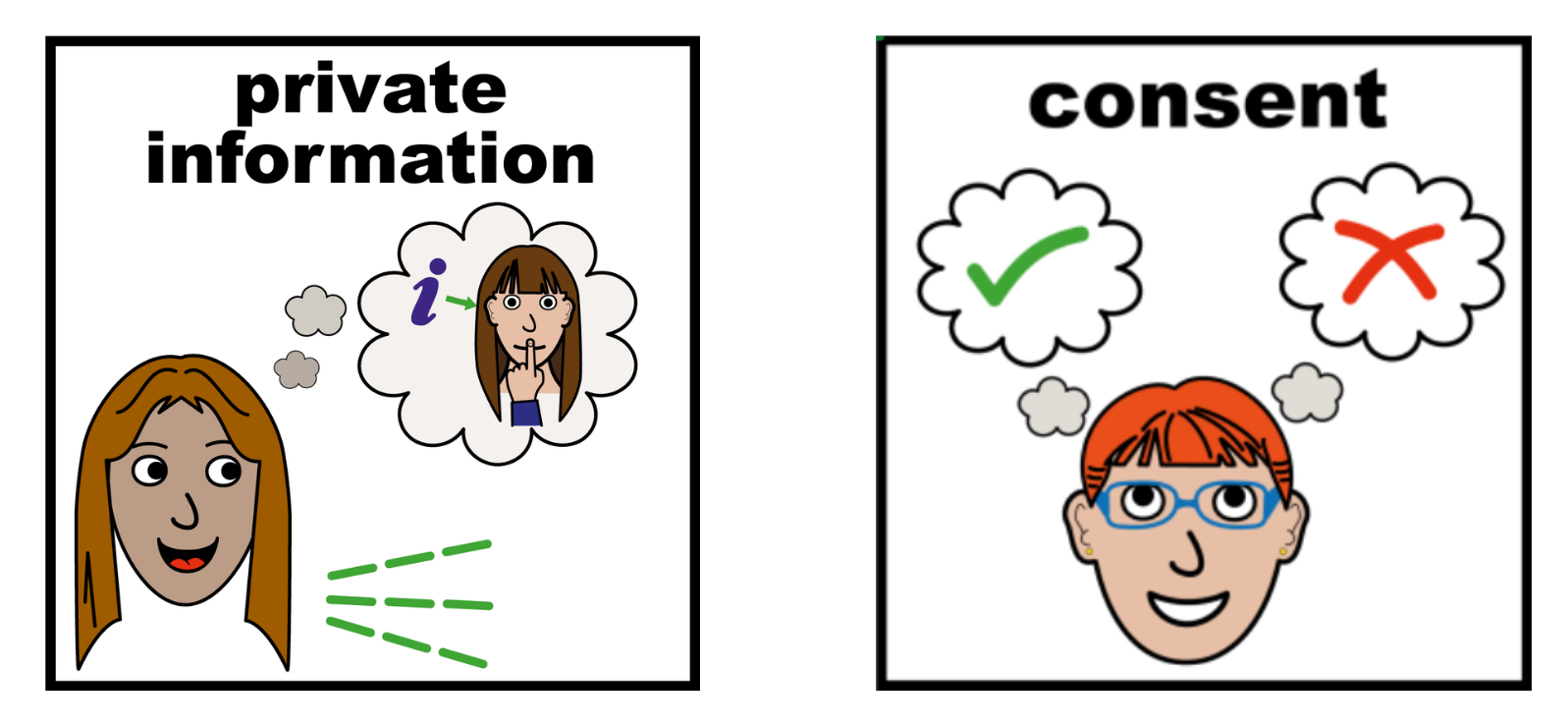
You have the right to:
- Decide who sees your photos
- Decide who can message you
- Decide who can help you with your technology
- Change your mind at any time
If someone pressures you to share information, photos, or passwords, that is not consent. Consent must be freely given, without fear or guilt.
Your Right To Get Help
You have rights to not be harmed or targeted for violence, and you have the right to be protected and seek support. You have the right to:
- Report online abuse to law enforcement (like police, security officers, et cetera).
- Apply for a protection order or receive other support.
- Speak about abuse with a support worker, healthcare provider, social worker, or trusted person.
- Ask someone safe to help you gather evidence.
- Receive support.
You do not need to wait for the situation to “get worse.” If something feels wrong, you are allowed to reach out for support.

Your Rights Under South African Law
People in South Africa have strong legal protections when it comes to online safety. These laws exist to protect your privacy, your identity, your personal information, and your freedom to use technology without fear. They apply whether the harm happens online or in person. They also apply no matter who is causing the harm. It could be a partner, family member, caregiver, friend, stranger, or anyone else.
South African law is clear that digital abuse is real abuse. Online harassment, cyberstalking, impersonation, and the sharing of harmful content are recognised as serious offences.

Key Laws That Protect You
South Africa’s Cybercrimes Act of 2020 makes many forms of TFGBV illegal. This includes harmful messages, threats, image‑based abuse, and any attempt to access your accounts without permission. The Act also allows you to apply for protection orders and requires certain cybercrimes to be reported to the police.
To help you navigate the Cybercrimes Act of 2020, we recommend you review an Easy Access website created by Michalsons. This website reviews the whole cybercrimes act and provides excellent South Africa-based resources to support South African residents. To learn more, visit the website by accessing this link to the Cybercrimes Act Website.
Other laws, such as the Protection from Harassment Act, the Domestic Violence Act, and the Criminal Law (Sexual Offences and Related Matters) Amendment Act, also protect people from digital forms of harm.
We have created a folder containing PDF formats of the Cybercrimes Act of 2020 , the Protection from Harassment Act, the Domestic Violence Act, and the Criminal Law (Sexual Offences and Related Matters) Amendment Act. If you wish to download or view these documents, you can follow the link here to access the folder.
Having access to copies of these documents may be useful when reporting violence to authorities, and ensure they take your concerns seriously.
What the Law Says About TFGBV
You are protected under South African law from the following behaviours:
- No one may harass you or harm you on purpose. This includes online harassment, repeated messages, or harmful posts.
- No one may threaten to share your photos or share them without your permission. This includes intimate images, edited images, or deep fake images (“deepfakes”).
- No one may stalk you. This includes tracking your location, monitoring your online activity, or using technology to follow you.
- No one may pretend to be you. Creating fake accounts, impersonating you, or using your identity to harm you is a crime.
- No one may access or control your devices without your permission. This includes logging into your accounts, installing spyware, or taking your phone away.
- No one may steal your money, your information, or anything that belongs to you. Financial abuse through online banking or mobile money is illegal.
These protections apply whether the abuse happens on social media, through messaging apps, on gaming platforms, or through everyday devices.
Knowing your rights helps you recognise when something is not okay. It also helps you understand that digital abuse is not “just online drama.” It is a form of violence, and the law should take it seriously.
However, please be aware that even though these laws are in place and you should have certain rights, many times, online violence is still not taken seriously. That does not mean it isn’t serious. This is why it is important that you know your rights and know the law.

Feedback/Errata