
Women With Disabilities
Chapter 7: Recognizing TFGBV when it’s happening to you
If you read Chapters 1, 2 and 3 (by clicking the chapter numbers, links will open in a new window), you should have learned about identifying different types of TFGBV, and what counts as violence. In this chapter, we want to show you how to recognize subtle signs that TFGBV when is happening to you.
Learning Objectives
- Recognize emotional, psychological, and behavioral signs of online harassment.
- Learn how to step back and assess situations that feel uncomfortable.
How do you know if you’re experiencing TFGBV?
People often notice changes in how they feel or behave before they recognize the abuse itself. These signs are not proof on their own, but they can be important signals that something is happening that deserves your attention. In this chapter, we will focus on how you may feel and behave differently according to your experiences. Please use this information along with what you learned in Chapters 1, 2 and 3.
Emotional and Psychological Signs
Take a moment and think about how your body and mind have been feeling. Have you been more nervous, depressed, irritable, or tired than normal? Have you felt heavily conflicted about an online experience?
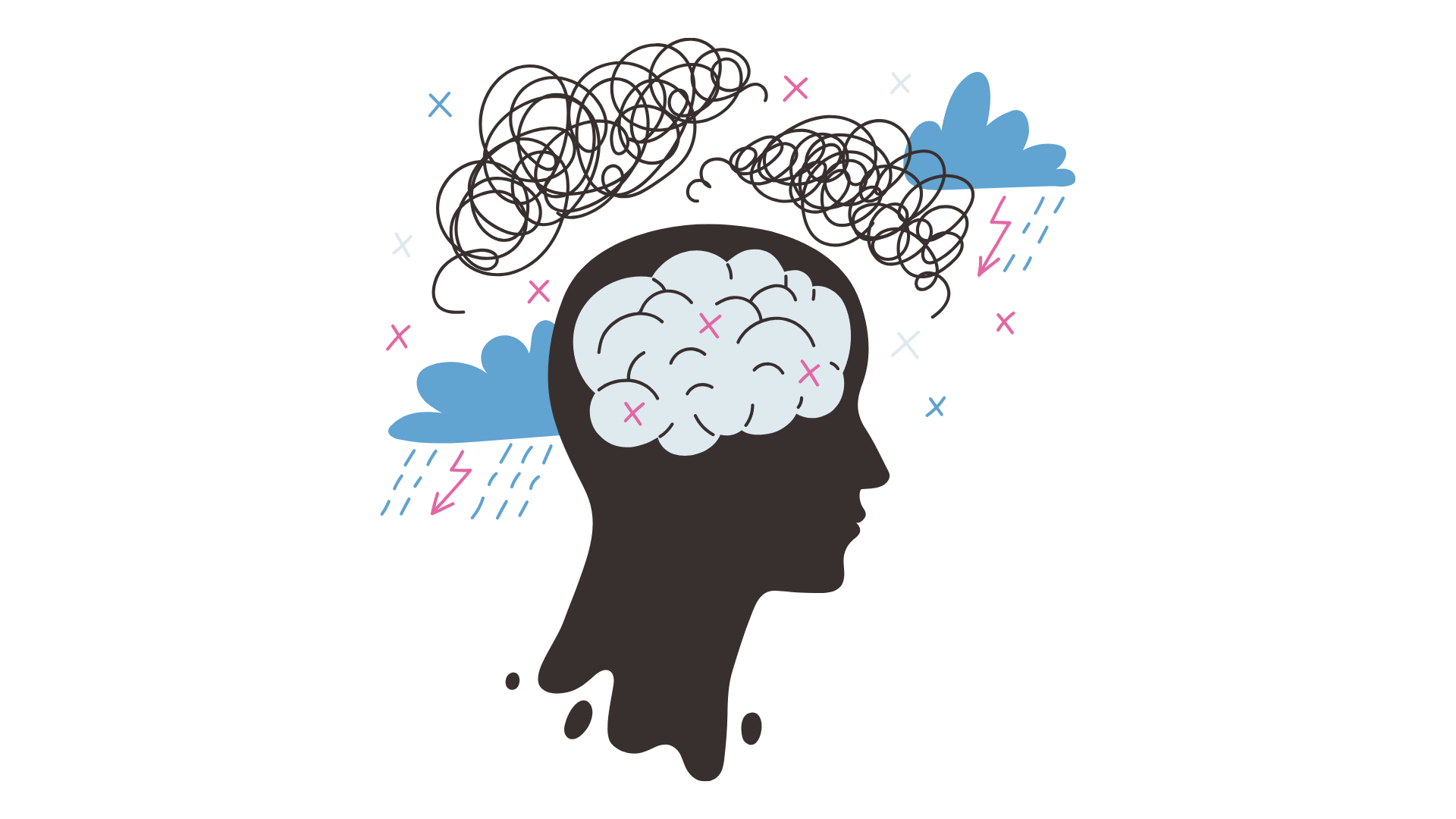
Reflect
What do you notice in your body when you feel anxious? When you feel scared? When you feel angry?
How do you regulate these feelings when they arise? If you aren’t sure how to regulate these feelings, see Chapter 8: Finding Safe Support.
Behavioural and Daily Life Signs
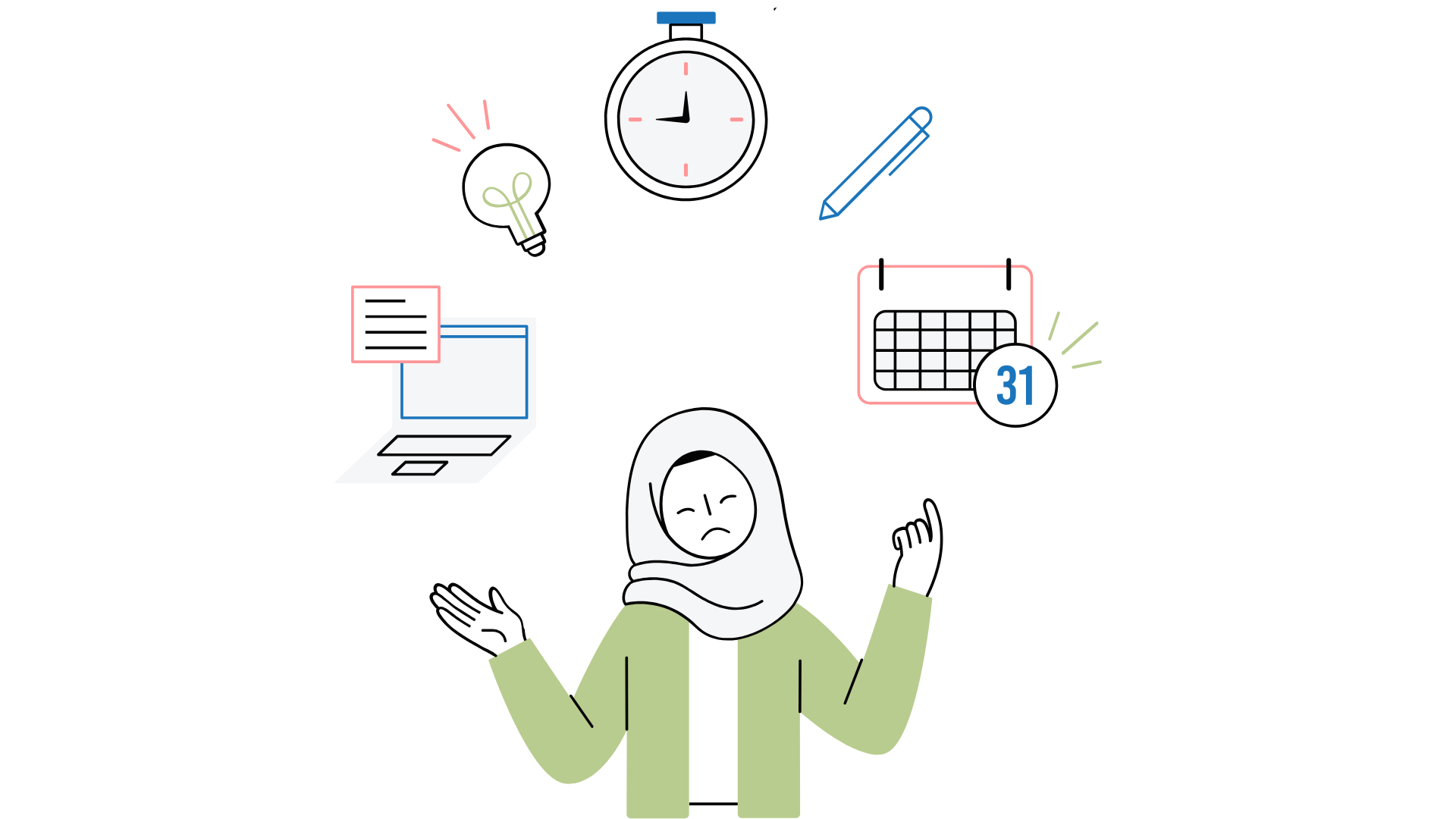
Sometimes people change their daily routines or actions without thinking about it, to protect themselves. Have you found yourself changing your daily life or behaviours in response to some online or technology-related event?
Recognizing When Someone May Be Committing TFGBV
Many people do not realize they are being targeted until the situation escalates. Recognizing early warning signs helps you protect your safety, privacy, and wellbeing.
TFGBV can involve harassment, monitoring, impersonation, threats, or the misuse of devices and apps. It can also often involve a person engaging in manipulation, false promises, or attempts to steal money or personal information.

Signs that someone may not be trustworthy
People who scam others or commit TFGBV often use pressure, secrecy, control, and manipulation. These behaviours can come from strangers, online contacts, partners, ex‑partners, caregivers, family members, or people in your home or community.
Self‑Reflection Checklist: Noticing When Something Feels Wrong
This checklist is designed to help you pause and reflect on your experiences, after reviewing the forms of TFGBV in Chapter 3, linked here. You do not need to answer “yes” to everything for your feelings to be valid. Even one “yes” can be a sign that something deserves your attention.
Also check through Chapter 3: Forms of TFGBV, linked here, which highlights the different forms of TFGBV that you can watch out for in your digital life.
Activity
We have created a PDF file titled with this checklist in case you wish to keep it for personal use.
You can download the checklist if you access the following link: Chapter-5-Self-Reflection-Checklist.

Feedback/Errata