
Women With Disabilities
Chapter 8: Finding Safe Support
Many people need help with technology. This can include reading messages, understanding apps, managing passwords, or staying safe online. There is nothing wrong with needing support. Everyone deserves help that feels respectful and safe. In this chapter, we will discuss how to identify a safe support person.
Learning Objectives
- Learn to identify real, safe support people, and people who are not safe.
A support person is someone you choose. This might be a friend, family member, caregiver, partner, or community worker. A safe support person listens to you, respects your choices, and does not take over your device or accounts without your permission.
Choosing Safe Support
You have the right to decide who helps you with your technology. You also have the right to change your mind at any time.
It is important to know that not all people you think are safe, actually are safe. Just because someone is a family member, a caregiver, or a friend, it doesn’t mean that they are safe. You should be careful to choose a support person thoughtfully.
A safe support person should:
- Ask before touching your device.
- Explain what they are doing in a way you understand.
- Respect your privacy.
- Follow your choices.
- Stop if you say no.
If someone becomes angry, controlling, or secretive when helping you with technology, this is not safe support. 
Where to Find Support
You may have people around you who can be a support person or community. If not, there are lots of places you can look for one.
You can go to:
- A trusted friend or family member
- A disability support worker
- A community organization
- A crisis or GBV support centre.
- Online support communities.
If someone who is supposed to support you is harming you or controlling your technology, you are allowed to reach out for help. You do not need permission from the person causing harm.
To see a list of resources for South African residents, please go to the Support and Resources Page. These services can help you understand what is happening, make a plan, and stay safe.
Finding Support in Online Communities
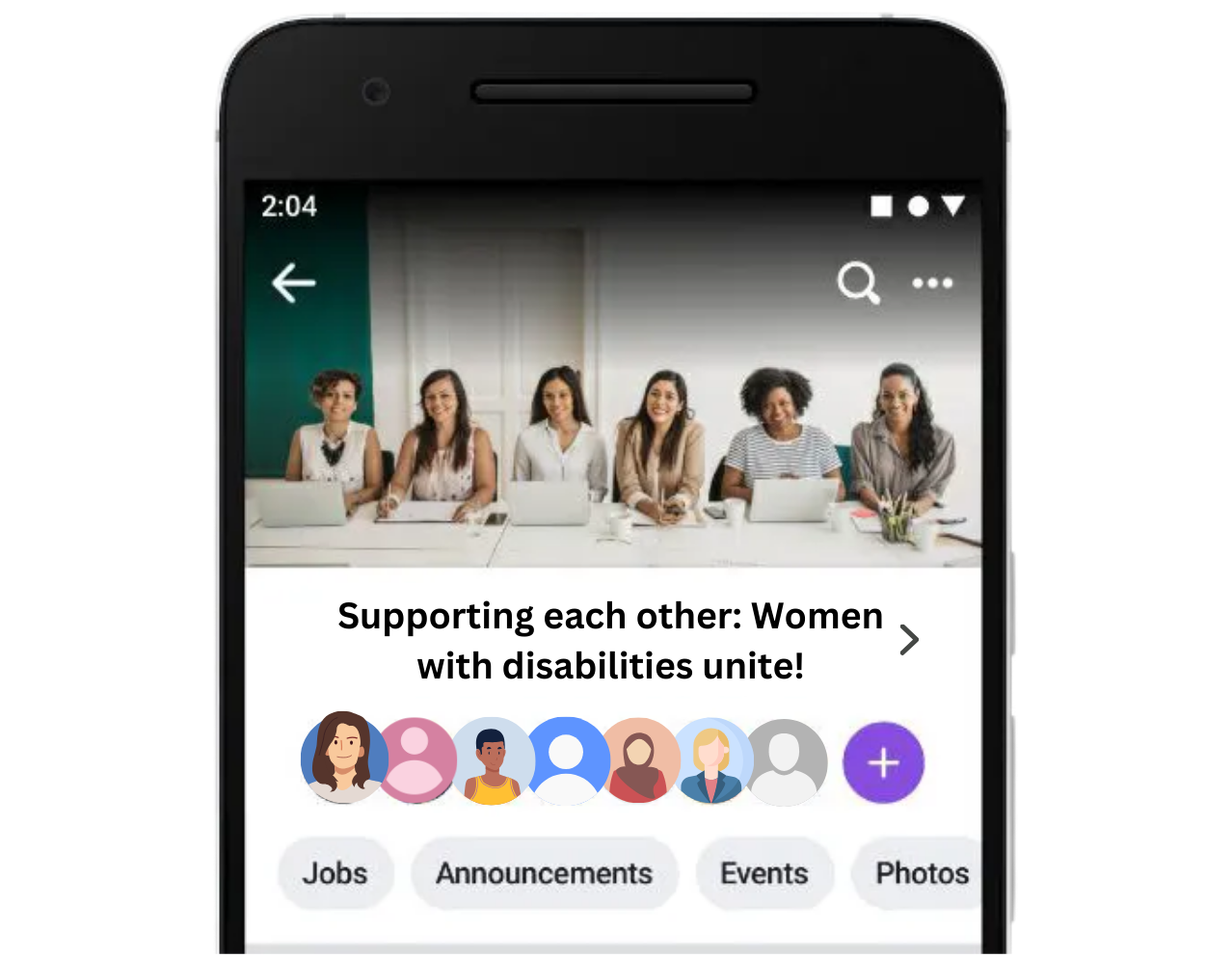
Many people find comfort, friendship, and understanding in online spaces. Online communities can be helpful when you feel alone, when you want to talk to people with similar experiences, or when you need advice from others who understand disability, technology, or safety.
Things to consider when choosing safe online communities:
- Look for groups that have clear rules about respect, privacy, and safety.
- Choose spaces where moderators or admins are active and respond to harmful behaviour.
- Notice how people talk to each other. Supportive communities use kind, patient, and non‑judgmental language.
- Trust your feelings. If a group makes you feel nervous, confused, or pressured, it may not be the right place for you.
When Support Becomes Unsafe
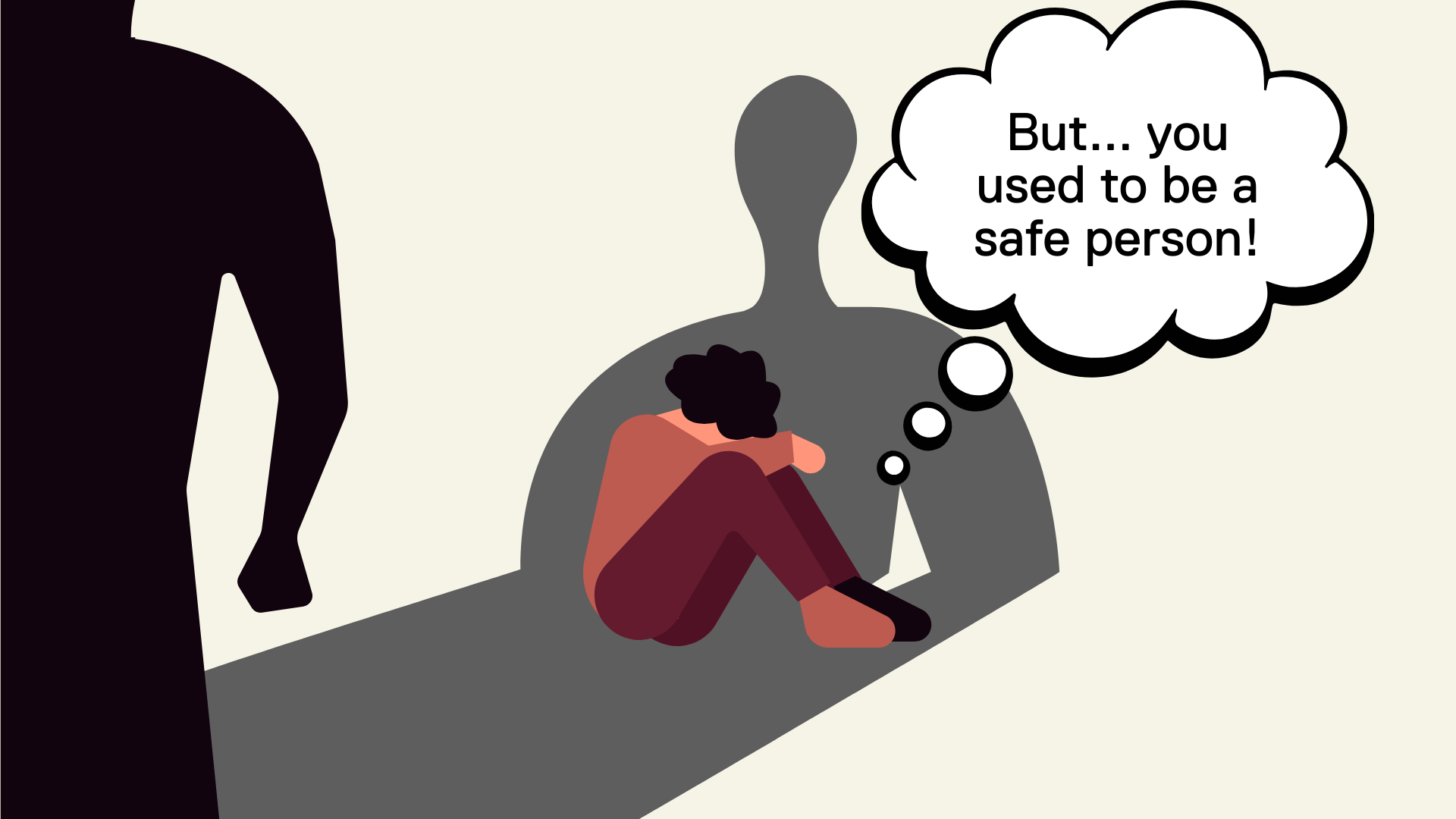
Sometimes the people we trust can also be the people who harm us. This can be confusing and upsetting. Abuse can happen in families, friendships, romantic relationships, and caregiving relationships. It can happen slowly over time or suddenly.
Signs of unsafe support include:
- Taking your device away forcefully
- Forcing you to share passwords
- Checking your messages or your devices without asking
- Telling you that you “cannot understand technology”
- Making you feel scared, guilty, or like you’re not allowed to use your own technology
- Using your disability as a reason to tell you what to do.
If this is happening, it is not your fault. You deserve safety and respect.
Recognizing Red Flags
Some online spaces or people may seem supportive at first but become unsafe over time.
Warning signs include:
- Someone asking for private information.
- Someone trying to move conversations to private texts or messages too quickly.
- Someone telling you not to trust your friends, family, or support workers.
- Someone making you feel guilty for not replying fast enough.
- Someone asking for money or gifts.
- Someone trying to control your choices or your technology.
If you notice any of these signs, it is okay to leave the conversation or group, or block the person who is doing these things.

Activity

Feedback/Errata