
๐Ÿ› ๏ธ Chapter 4: Relevance to Practice

โ€œWhen two elephants fight, it is the grass that gets hurt.”

– African Proverb
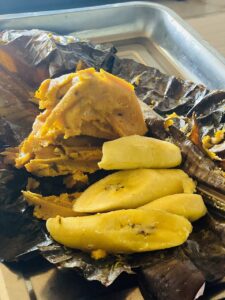
 

Koki is a traditional, nutrient-dense dish originating from Cameroon, traditionally celebrated within the culinary heritages of Central and West Africa. Click the image to se a recipe for this dish in a new tab at afrovitaityeats.com
Koki is a traditional, nutrient-dense dish originating from Cameroon, traditionally celebrated within the culinary heritages of Central and West Africa. Made from coarsely ground peeled black-eyed peas blended with water, unrefined red palm oil, and hot peppers, the fluffy mixture is folded with chopped cocoyam leaves or spinach, wrapped securely in banana leaves, and slowly steamed. Its iconic, rich yellow-orange color comes from the natural carotenes of the palm oil. Source “Koki Beans and plantain” by Adesolive licensed under CC0 1.0. Click on the image to learn how to prepare this meal.

Learning Objectives

  • Understand how white supremacy and anti-Black racism manifest in dietetics, food, and nutrition in Canada.
  • Identify the impact of biased dietary guidelines, health disparities, and social determinants of health on racialized communities, particularly Black Canadians.
  • Examine the barriers faced by Black individuals in accessing nutrition care and entering the dietetics profession.
  • Discuss the significance of developing competency in addressing anti-Black racism (ABR) within dietetics using the ICDEP framework.
  • Analyze the challenges and gaps in dietetic education and professional norms that perpetuate systemic racism and hinder health equity.

 

License

Icon for the Creative Commons Attribution-NonCommercial 4.0 International License

An Introduction to Anti-Black Racism in Canadian Nutrition, Food & Dietetics Copyright © 2026 by Mikahelia Wellington; Sherana Syed; and Emanuel Tessema is licensed under a Creative Commons Attribution-NonCommercial 4.0 International License, except where otherwise noted.

Share This Book